 Reading Time: 49 minutes
Danny opened the spiral notebook. I recognized my mother’s handwriting immediately. Columns. Dates. Dollar amounts.
Six years of them. He turned the notebook toward me, placed one finger on the first page, and said very quietly, “Tori… she wrote down every dollar.”
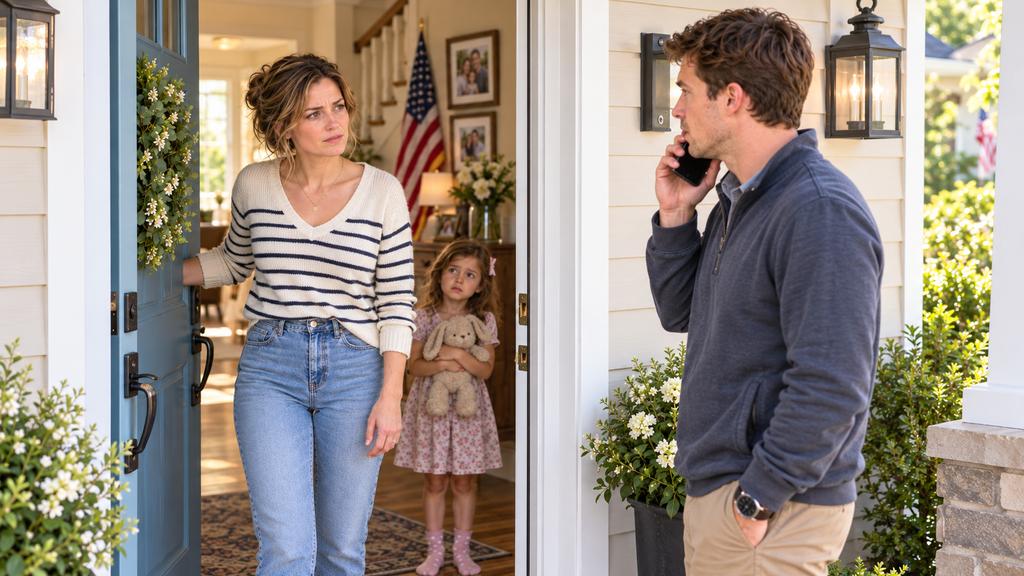
For several seconds, I didn’t understand what he meant.
My eyes moved across the paper.
January 1 — Victoria — $1,400.
February 1 — Victoria — $1,400.
March 2 — Victoria — $1,400.
Roof — extra $2,800.
Danny car — extra $1,100.
Dad truck — $850.
Christmas — $2,000.
Mortgage shortage — $1,600.
Page after page.
Year after year.
My money.
My overtime shifts.
My missed weekends.
My sixteen-hour nights.
My Christmas mornings inside a hospital while other nurses went home to their families.
All of it was there.
My mother had documented everything.
I slowly sat down on the motel chair.
“How much?”
Danny didn’t answer.
“Danny.”
His jaw tightened.
“I added it three times.”
“How much?”
He looked at me.
“One hundred and seventeen thousand, four hundred dollars.”
I stopped breathing.
I knew I had sent a lot.
Of course I knew.
But there was something horrifying about seeing six years of your life reduced to one number.
$117,400.
That number was every vacation I never took.
Every apartment I didn’t upgrade.
Every dinner I reheated at two in the morning because I was too exhausted to cook.
Every pair of shoes I decided could last another year.
Every time Caleb asked why I worked so hard and I said,
“They need me.”
I touched the notebook.
The paper felt cheap.
Ordinary.
That almost made it worse.
My mother had managed to turn years of sacrifice into bookkeeping.
Danny flipped several pages.
“Keep going.”
I looked at him.
“What?”
“The money isn’t why I came here tonight.”
Something in his voice made my stomach tighten.
He flipped toward the back.
There were fewer numbers there.
More notes.
Short sentences written in the margins.
My mother’s handwriting became sharper.
Angrier.
September — Victoria says no more.
Called twice.
Don’t respond until she understands.
October — Nothing.
November — Nothing.
Thanksgiving — tell family she is “busy.”
December — no payment.
June asked for address.
Do not give it.
My hand froze on the page.
“What?”
Danny said nothing.
I read it again.
June asked for address.
Do not give it.
My grandmother.
The woman I had mailed Christmas cards to for four years.
The woman who had told me only days earlier that people didn’t disappear.
Sometimes they got erased.
There was another note beneath it.
If people ask, say Victoria moved and stopped contacting family.
My throat tightened.
Danny turned another page.
Church asked about Tori.
Say we haven’t heard from her.
Don’t discuss money.
Then another.
June keeps asking.
Let it go.
I stared down at those three words.
Let it go.
Three words.
That was all I had been to my mother.
A problem to manage.
A story to control.
A source of money that had stopped producing.
Danny walked to the window.
He pushed the curtain aside and stared at the motel parking lot.
“I found this yesterday.”
“Where?”
“Bottom drawer of Mom’s desk.”
I laughed once.
Not because anything was funny.
Because there are moments when pain becomes so ridiculous your body doesn’t know what else to do.
“She kept records.”
“Yeah.”
“Of everything.”
“Yeah.”
“She told everyone she didn’t know where I was.”
Danny turned around.
“I know.”
“She knew June was asking for me.”
“I know.”
“She knew I called Dad.”
He lowered his eyes.
“I know.”
For a moment, neither of us spoke.
Then I asked the question I had been afraid to ask.
“Why were you really sent to Asheville?”
Danny went completely still.
I knew the answer before he gave it.
I just didn’t know how much it would hurt.
“Mom told me you were probably somewhere in North Carolina.”
I stared at him.
“She knew that?”
“Not the exact address.”
“How?”
“She remembered you talking about Asheville before everything happened. She knew where your old hospital was. She knew your nursing license was still active in North Carolina.”
My stomach turned.
“So she could have found me.”
Danny looked miserable.
“Yes.”
Four years.
Four years of telling people I had vanished.
Four years of telling family members she had no idea whether I was even okay.
And apparently all it would have taken was a few searches and a drive south.
Which was exactly what Danny had done.
“What did she tell you to do?”
He rubbed both hands over his face.
“She said Dad’s retirement isn’t going the way they expected.”
I said nothing.
“The mortgage isn’t paid off.”
Still nothing.
“They refinanced twice.”
I felt myself becoming cold.
Danny continued.
“Dad’s truck needed repairs. There are credit cards. Mom said things have gotten tight.”
Of course.
Something was always tight.
Something was always broken.
Something was always due.
“And?”
Danny looked directly at me.
“She said if I found you, I should figure out whether you were doing well financially.”
My mouth opened slightly.
“She didn’t send you because she missed me.”
He didn’t answer.
“She sent you because they needed money.”
“Tori—”
“Say it.”
His eyes filled.
“She wanted money.”
I looked down at the notebook.
For the first time since he arrived, I didn’t feel angry.
I felt tired.
Deeply.
Completely.
Tired in a place sleep couldn’t reach.
I stood.
Walked toward the small motel sink.
Filled a paper cup with water.
Then didn’t drink it.
Behind me, Danny said,
“I didn’t know.”
I kept my back to him.
“I know.”
“I swear to you, Tori, I didn’t know the money for my car came from you.”
“I know.”
“They told me Dad paid for it.”
“I know.”
“They told me they helped you through nursing school and you were finally paying them back.”
That made me turn.
“What?”
Danny’s face changed immediately.
He realized he had said something I hadn’t known.
“What did you just say?”
He swallowed.
“I thought you knew.”
“Knew what?”
“For years, Mom told people the money you sent was repayment.”
My fingers tightened around the paper cup.
“Repayment for what?”
“For raising you.”
The cup collapsed in my hand.
Water ran over my fingers.
Neither of us moved.
Finally I whispered,
“She told people I was paying them back for raising me?”
Danny nodded.
“At least that’s how she explained it to me.”
I leaned against the sink.
Something inside me cracked.
Not loudly.
Quietly.
Like old wood finally giving way under too much weight.
I thought about the first envelope Mom had slid across the table after my graduation.
“For the house.”
You’re the one who made it out.
I remembered feeling proud.
Responsible.
Chosen.
I had thought it meant she believed I was successful.
I had thought helping them proved I hadn’t forgotten where I came from.
Apparently, in her mind, adulthood came with an invoice.
“How many people know that version?”
“I don’t know.”
“The church?”
“Probably.”
“Aunt Melissa?”
“Yes.”
“Grandma?”
“No.”
That answer came quickly.
“June never believed Mom.”
I looked at him.
Danny crossed the room and sat beside the notebook.
“There is something else.”
I almost laughed.
“Of course there is.”
He reached inside his jacket.
Pulled out a thick bundle of envelopes.
They were old.
Some yellowed slightly at the edges.
My name was written across every one.
Victoria Ives.
My Asheville address.
In my grandmother’s handwriting.
I didn’t understand.
“What are those?”
“Letters.”
My knees weakened.
“From June.”
I stared at them.
“No.”
“Tori—”
“No.”
“She wrote you back.”
I backed away from the desk.
“No.”
“Every Christmas.”
“No.”
“She gave them to Mom to mail.”
I couldn’t breathe.
Danny stood.
“Grandma stopped driving after her hip surgery. Mom started picking up her prescriptions and groceries. She’d take Grandma’s outgoing mail with her.”
I looked at the envelopes.
All those years.
All those Christmas mornings when I checked the mailbox.
All those January afternoons when I told myself maybe June hadn’t received my card.
All those times I wondered whether my grandmother believed the stories too.
“She never mailed them?”
Danny shook his head.
“I found them in a box behind Mom’s winter clothes.”
My vision blurred.
I picked up the first envelope.
The stamp was already attached.
My grandmother had addressed it correctly.
December 19.
Four years earlier.
My hands shook as I opened it.
Inside was a folded Christmas card.
A little red cardinal on the front.
I unfolded it.
Sweet girl,
I received your card.
I don’t understand what is happening between you and your parents, and I won’t pretend I do.
But I want you to know something.
There has never been a day when I didn’t love you.
If you need somewhere to come, my door is open.
If you don’t want to explain anything, you don’t have to.
Just let me know you’re safe.
Love,
Grandma June.
I lowered the card.
The room disappeared behind tears.
I opened the next one.
Another Christmas.
Another message.
Tori,
Your mother says you need space.
I am trying to respect that, but I worry.
Please don’t confuse my silence for not caring.
I love you.
June.
The third.
My hands were shaking so badly Danny had to help me open it.
Dear Victoria,
Your Christmas card arrived today.
You look tired in the picture, sweetheart.
But you also look strong.
You didn’t say who the little hand was beside yours in the photo.
If that is what I think it is, please tell me.
I would love whoever you love.
Always.
Grandma.
I covered my mouth.
That card had been mailed the Christmas after my daughter was born.
I had included a photograph.
Only part of her tiny hand had appeared at the edge because I had still been afraid to say too much.
June had noticed.
Of course she had.
Grandmothers notice everything.
I opened another.
This one was from the previous year.
Dear Tori,
I don’t know whether these letters reach you.
Your mother assures me they do.
But you’ve never answered.
I am starting to wonder.
If you are receiving this, call me.
Even if you say nothing.
Just let the phone ring twice.
I will understand.
I sat on the carpet.
Right there.
In the middle of a motel room.
Thirty-four years old.
A nurse.
A mother.
A homeowner.
A woman who had survived burying the man she loved and giving birth without her family.
And I cried like a child.
Not quietly.
Not gracefully.
I cried with my whole body.
Danny sat on the floor beside me.
He didn’t touch me at first.
Then, after a while, he put one arm around my shoulders.
“I am so sorry.”
I pressed my face into my hands.
“She made me think nobody wanted me.”
“I know.”
“She made them think I didn’t want them.”
“I know.”
“She stole four years.”
Danny’s voice broke.
“I know.”
I looked at the stack of letters.
“No.”
He blinked.
“No?”
“She doesn’t get four years.”
I wiped my face.
“She doesn’t get to keep them.”
I gathered the letters.
Every one.
Placed them carefully beside the notebook.
Danny watched me.
“What are you going to do?”
I looked at the clock.
11:37 p.m.
Homecoming service began at ten the next morning.
My mother expected me to stand beside her.
She expected me to smile.
Expected me to let her tell everyone I’d been sick.
Expected me to protect her from the truth.
For four years, she had controlled the story because I wasn’t in the room.
Tomorrow, I would be.
“I’m going to church.”
Danny stared at me.
“Are you sure?”
“No.”
That was the truth.
“I am absolutely not sure.”
I looked toward the bed where my daughter was asleep beneath the motel blanket, one tiny foot sticking out.
“But I’m going.”
Danny nodded slowly.
Then I pointed toward the notebook.
“And so are you.”
He swallowed.
“Mom’s going to lose it.”
“Probably.”
“She’ll say we’re humiliating her.”
“I know.”
“She’ll blame me.”
I studied my brother.
“You don’t have to do this.”
He looked toward my daughter.
Then back at me.
“Yes, I do.”
The next morning, I woke before sunrise.
For a few seconds, I didn’t know where I was.
Then I saw the motel curtains.
The notebook.
The envelopes.
And everything came back.
My daughter stirred beside me.
Her name was Sophie.
Caleb had chosen it.
He picked it before we knew whether we were having a boy or a girl.
“If she’s a girl,” he’d said one night while lying beside me, his hand resting over my stomach, “Sophie.”
“What if I hate Sophie?”
“You don’t.”
“What if I do?”
“You don’t.”
I laughed.
“You’re very confident.”
“I know you.”
Three weeks later, Caleb died.
A driver crossed the center line on a rainy highway outside Hendersonville.
There had been no final conversation.
No dramatic goodbye.
He kissed me before leaving that morning.
Complained that we were out of coffee.
Promised to pick some up on his way home.
Then my phone rang at 4:18 that afternoon.
For years afterward, I hated coffee aisles.
Grief is strange like that.
It attaches itself to stupid things.
A coffee brand.
A jacket.
A song playing in a grocery store.
A blue toothbrush you can’t bring yourself to throw away.
The night Caleb died, my mother called.
I didn’t answer.
The next morning, I tried calling her.
That was the conversation where I said I needed to stop sending money.
I had intended to continue.
“Caleb died.”
“I’m pregnant.”
“My doctor says I need to cut back at work.”
Three sentences.
I never got to say any of them.
My mother heard only the sentence that affected her.
I have to stop sending money.
Then she hung up.
Sophie woke slowly.
“Mommy?”
“I’m here.”
She rubbed her eyes.
“Are we seeing Great-Grandma June today?”
“Yes.”
Her whole face brightened.
She had met June two days earlier.
Within twenty minutes, Sophie had climbed into her lap and asked if old people were born with wrinkles.
June laughed so hard she had tears in her eyes.
“Yes,” she’d said. “And some of us were born this beautiful too.”
Sophie accepted that without question.
Children often understand love faster than adults.
She sat up.
“Are we going to the big church?”
I hesitated.
“Yes.”
“Is Grandma there?”
I knew which grandma she meant.
My mother.
Sophie had never met her.
Only seen a photograph Danny showed her.
“Yes.”
“Will she like me?”
There it was.
A question no three-year-old should have the power to break an adult with.
I took her little face between my hands.
“She doesn’t get to decide how lovable you are.”
Sophie frowned.
Because of course that answer meant nothing to a three-year-old.
So I kissed her forehead.
“Yes, baby. She’ll think you’re wonderful.”
That part, at least, I knew.
My mother loved children.
Especially children who reflected well on her.
What I didn’t know was whether she understood how to love anyone without making their existence about herself.
At 8:45, Danny knocked.
He wore a navy suit.
No tie.
He carried the notebook in a leather messenger bag.
Behind him stood Grandma June.
“What are you doing here?”
She lifted one eyebrow.
“You thought you were going without me?”
“Grandma—”
“I am eighty-one, Victoria. Not dead.”
Danny looked at me.
“I tried.”
June pointed her cane at him.
“You did not try very hard.”
For the first time all morning, I laughed.
It felt good.
June wore a pale blue dress and the pearl necklace Grandpa gave her on their fortieth anniversary.
She looked fragile.
She was not.
There is a difference.
We arrived at First Grace at 9:52.
The parking lot was full.
The building looked exactly the same.
Red brick.
White doors.
Small wooden cross above the entrance.
I had spent eighteen years of Sundays there.
Sunday school.
Christmas pageants.
Youth choir.
Potluck dinners.
Funerals.
Weddings.
The strange thing about returning to a place from childhood is that everything seems smaller.
The parking lot.
The front steps.
The sanctuary.
Even the people.
For years, I had remembered that church as enormous.
Now I could see the gutters needed cleaning.
Someone had repainted the railings badly.
The letters on the sign were slightly crooked.
WELCOME HOME.
HOMECOMING SUNDAY.
I almost laughed.
Danny parked.
Nobody moved.
Then June said,
“Well.”
We looked at her.
“If we’re going to ruin your mother’s morning, we should at least be punctual.”
“Grandma.”
“What?”
Danny started laughing.
I tried not to.
Failed.
Even Sophie laughed, though she had no idea why.
We got out.
People noticed us immediately.
At first, they noticed June.
Then Danny.
Then me.
You could actually watch recognition move through the crowd.
A woman near the entrance stopped mid-sentence.
Another touched her husband’s arm.
Someone whispered my name.
Victoria.
Tori.
Is that her?
My daughter took my hand.
I held it tightly.
Inside, the sanctuary smelled the same.
Old wood.
Perfume.
Coffee.
Hymnals.
Memories.
My mother stood near the front.
She wore cream.
Of course she wore cream.
Her hair was carefully curled.
Pearl earrings.
Perfect makeup.
Her face changed when she saw me.
For half a second, something real appeared.
Shock.
Maybe even joy.
Then her eyes dropped to Sophie.
Her hand flew to her mouth.
“Oh my God.”
People turned.
My mother walked quickly toward us.
“Tori.”
I didn’t move.
She reached me.
Then looked down at Sophie.
Her whole face collapsed.
“My granddaughter.”
Sophie pressed against my leg.
My mother’s eyes filled.
She crouched.
“Hello, sweetheart.”
Sophie looked up at me.
I nodded once.
“Hi,” she whispered.
My mother started crying.
Real tears.
That almost made what came next harder.
Because human beings are complicated.
My mother was not a monster.
Monsters are easy.
My mother was a woman capable of loving someone and hurting them at the same time.
A woman capable of believing her own pain justified nearly anything.
A woman who could cry at the sight of a granddaughter she’d helped keep away.
She reached toward Sophie.
I gently stopped her hand.
My mother looked up.
“Not yet.”
Her face tightened.
“Tori.”
“Not yet.”
People were watching.
She knew it.
So she smiled.
Of course she smiled.
Then she hugged me.
I didn’t hug back.
She whispered against my ear,
“Please don’t do anything today.”
My heart hardened.
There it was.
Not I’m sorry.
Not I missed you.
Not I didn’t know.
Please don’t do anything today.
She stepped back.
“We can talk afterward.”
“We’re going to talk today.”
“Tori.”
“Today.”
Her eyes flicked toward Danny.
Then June.
Then the leather bag.
Her face changed slightly.
“What is that?”
Danny said nothing.
The organ started.
People began finding their seats.
My mother leaned close.
“I told Pastor Mark you’re going to say a few words.”
“I know.”
Relief flashed across her face.
She thought that meant I had agreed to the script.
She squeezed my arm.
“Good.”
“No.”
Her smile remained.
But her eyes sharpened.
“No what?”
“No, Mom. Not your words.”
Before she could respond, June stepped between us.
“Marianne.”
My mother stiffened.
“Mom.”
June looked at her daughter for a long moment.
Then said,
“We’ll sit now.”
I had never seen my mother look afraid of Grandma June before.
That morning, she did.
We sat three rows from the front.
The service began.
Songs.
Announcements.
A prayer.
A children’s choir.
I heard almost none of it.
My heart pounded so hard I could feel it in my fingertips.
Sophie colored quietly beside me.
Danny sat on my left.
June sat beside him.
Once, during the second hymn, Danny whispered,
“We can leave.”
I looked toward my mother.
She was seated on the stage beside Pastor Mark.
Smiling.
Nodding.
Playing the role she had prepared.
“No.”
My voice barely came out.
“I’ve been leaving for four years.”
At 10:47, Pastor Mark stepped to the microphone.
“We have something very special this morning.”
My stomach dropped.
My mother stood.
The room became quiet.
Pastor Mark smiled.
“Many of you know Marianne and Robert Ives have been walking through a private family heartbreak for several years.”
I looked toward my father.
He sat in the front pew.
His shoulders were hunched.
He hadn’t approached me that morning.
Hadn’t looked at me for more than a second.
Pastor continued.
“Their daughter Victoria has been away.”
Away.
Such a useful word.
Not driven away.
Not ignored.
Not lied about.
Away.
“We are very blessed,” Pastor Mark said, “that Victoria has come home.”
Applause started.
Soft at first.
Then louder.
People turned toward me.
My stomach twisted.
Sophie looked around.
“Mommy?”
I squeezed her hand.
My mother stood beside Pastor Mark.
She lifted one hand.
The applause stopped.
Her voice shook beautifully when she spoke.
Some people practice grief so long they become excellent performers.
“Four years ago,” she began, “our family went through something I have rarely been able to talk about publicly.”
I stared at her.
Danny shifted beside me.
June whispered,
“Let her finish.”
My mother continued.
“Our daughter was struggling.”
There it was.
My chest tightened.
“She needed distance.”
Lie.
“She stopped communicating.”
Lie.
“We prayed every day.”
Maybe.
“We asked God to protect her.”
Maybe.
“And although we didn’t always know where she was…”
Lie.
“…a mother’s heart never stops hoping.”
People sniffled.
A woman behind me whispered,
“Amen.”
I closed my eyes.
For four years, I thought anger would be the hardest feeling to control when I finally heard my mother tell the story.
It wasn’t.
It was grief.
Because part of me still wanted her to choose differently.
Even then.
Even standing in front of everyone.
She could have stopped.
She could have said,
I failed my daughter.
I misunderstood.
I was angry.
I was wrong.
Instead she chose the story again.
My mother looked toward me.
“And today, God has brought my baby home.”
More applause.
She extended her hand.
“Tori, sweetheart, come up here.”
For one second, I couldn’t move.
Then Sophie said,
“Go, Mommy.”
I looked down at her.
She smiled.
That did it.
I stood.
Danny reached for the messenger bag.
I shook my head.
“Not yet.”
I walked to the front alone.
Every face turned toward me.
People I had known my entire childhood.
Mrs. Kendall, who taught me third-grade Sunday school.
Mr. Hanson, who once coached Danny.
Aunt Melissa.
Neighbors.
Old friends.
People who had been told I left because I didn’t care.
People who believed my parents didn’t know where I lived.
People who believed I abandoned them.
My mother reached toward me as I climbed the steps.
I didn’t take her hand.
Pastor Mark gave me the microphone.
“Would you like to say something?”
I looked at my mother.
Then at my father.
Then at my daughter.
“Yes.”
My voice shook.
So I paused.
Not because I was afraid.
Because I wanted the next sentence to be clear.
“My name is Victoria Ives.”
The sanctuary went completely silent.
“And I did not disappear.”
My mother whispered,
“Tori.”
I kept going.
“Four years ago, I called my mother.”
My hands were trembling.
“I called because three things had happened.”
My mother stared at me.
“I had lost the man I loved.”
A murmur moved through the room.
My father finally looked up.
“I was pregnant.”
My mother’s eyes closed.
“And my doctor told me I needed to reduce my working hours because stress was becoming a concern.”
I heard someone gasp.
I continued.
“My plan was to tell my mother all three things.”
I looked directly at her.
“I only got through one.”
My mother shook her head slowly.
I could see her silently begging.
Don’t.
“The sentence I got through was, ‘Mom, I have to stop sending money.’”
The entire room changed.
You can feel when a crowd realizes the story they’re hearing isn’t the story they were told.
It’s almost physical.
People shifted.
Heads turned.
My mother whispered,
“This is not the place.”
I looked at her.
“You chose the place.”
That silenced her.
“For six years,” I said, “I sent my parents money every month.”
I heard Aunt Melissa whisper,
“What?”
“Usually fourteen hundred dollars. Sometimes more. When something broke, I sent extra.”
My father lowered his head.
“A truck.”
I paused.
“A roof.”
Another pause.
“My brother’s car.”
Danny stood.
People turned.
He walked slowly toward the front carrying the messenger bag.
My mother stared at him.
“Danny.”
He didn’t look at her.
He climbed the steps and stood beside me.
I continued.
“Christmas. Mortgage payments. Emergencies. Bills.”
Danny opened the bag.
He removed the notebook.
My mother’s face went white.
“No.”
One word.
Barely audible.
Danny handed it to me.
“This belonged to my mother.”
I held it up.
“She recorded every payment.”
Aunt Melissa called from the second row,
“Marianne?”
My mother shook her head.
“It isn’t what she’s making it sound like.”
I looked toward Aunt Melissa.
“The total was $117,400.”
The sanctuary exploded into whispers.
My mother reached for the microphone.
I stepped away.
“Victoria, that’s enough.”
“No.”
I had never said that word to her so calmly.
Maybe that was why it frightened her.
“No, Mom. For four years, you got to tell the story. I get ten minutes.”
She stared at me.
Pastor Mark shifted uncertainly.
“Perhaps this would be better handled privately.”
I turned to him.
“With respect, Pastor, the story wasn’t told privately.”
He stopped.
Nobody spoke.
I continued.
“When I stopped sending money, my mother stopped answering my calls.”
My father closed his eyes.
“I called my father.”
Now I looked at him.
“I said, ‘Dad, please. Something happened.’”
My father’s face crumpled.
“And he told me not to upset my mother.”
Someone behind him murmured his name.
“After that, nobody called me.”
I looked around the sanctuary.
“I did not disappear.”
My voice cracked.
“I was grieving.”
Silence.
“I was pregnant.”
I swallowed.
“I was scared.”
My eyes burned.
“And I was alone.”
Sophie called softly from the pew,
“Mommy.”
I looked at her.
My daughter.
The child my family called hidden.
The child I had carried through every lonely night.
“I built a crib by myself.”
My voice broke.
“I went to prenatal appointments alone.”
My mother covered her mouth.
“I sat in the parking lot after ultrasounds and cried because Caleb should have been there.”
Nobody moved.
“I gave birth with a friend from work holding my hand.”
My knees felt weak.
“I brought my daughter home to an apartment where half the furniture was still in boxes because I had been working reduced hours and trying to survive.”
I looked at my mother.
“And nobody in my family knew.”
Her tears were falling now.
I didn’t enjoy them.
That surprised me.
For years, I imagined that if she ever understood what she’d done, I would feel satisfied.
I didn’t.
Pain doesn’t cancel pain.
It just adds more.
My mother finally spoke.
“You didn’t tell us.”
The words came out small.
Broken.
I stared at her.
“I tried.”
“You could have called again.”
“I did.”
“Tori—”
“I called you six times.”
She stopped.
“I called Dad.”
My father flinched.
“I emailed.”
His head snapped up.
I saw it immediately.
“You knew?”
He didn’t answer.
The room went silent again.
“Dad.”
He stood slowly.
His face looked twenty years older.
“I saw one.”
My lungs forgot how to work.
“What?”
“An email.”
“When?”
“After… after the phone call.”
My mother turned toward him.
“Robert.”
He looked at her.
Then at me.
“You said Caleb had died.”
For a moment, I couldn’t hear anything.
Not the people.
Not the air conditioner.
Nothing.
“You knew?”
He started crying.
My father.
A man I had seen cry only once before in my life.
At his father’s funeral.
“I knew Caleb died.”
“And you didn’t call me?”
He rubbed his face.
“Your mother was angry.”
A sound escaped me.
Half laugh.
Half sob.
“Angry?”
“I thought if I gave her time—”
“Four years?”
“No.”
His voice cracked.
“No, sweetheart.”
Don’t call me sweetheart.
He stepped into the aisle.
“I thought a few weeks.”
“But you knew.”
“Yes.”
“You knew I had just lost him.”
“Yes.”
“And you still didn’t call.”
He looked at the floor.
“Yes.”
My mother snapped,
“Robert, stop.”
He looked at her.
Something passed across his face.
Exhaustion maybe.
Or shame.
“No, Marianne.”
The room went still.
“I’ve been stopping for thirty-seven years.”
My mother’s mouth opened.
My father looked toward me.
“I was a coward.”
I said nothing.
“I thought keeping your mother calm was the same thing as keeping the family together.”
His voice shook.
“It wasn’t.”
My mother’s eyes flashed.
“So now this is all my fault?”
My father turned to her.
“No.”
Then he looked at me.
“Some of it is mine.”
For the first time that morning, I believed somebody was actually telling the truth.
My mother looked around the sanctuary.
I could see panic replacing sadness.
All those eyes.
All those people.
The thing she feared most was happening.
She no longer controlled how she was being seen.
She looked at me.
“I made mistakes.”
I nodded.
“Yes.”
“But you left.”
“I moved.”
“You shut us out.”
“You stopped answering.”
“You never told me about my granddaughter.”
“You hung up before I could.”
Her face twisted.
“How was I supposed to know?”
I stared at her.
“You could have asked.”
That sentence landed harder than anything else.
You could have asked.
Not searched.
Not investigated.
Not driven seven hours.
Asked.
One question.
What happened?
Are you okay?
Why do you need to stop sending money?
Any one of those questions could have changed four years.
My mother turned toward Danny.
“And you.”
Danny stood straighter.
“What about me?”
“You went through my private things.”
“I was looking for the truth.”
“You stole my notebook.”
“No, Mom.”
His voice hardened.
“I borrowed evidence.”
A few nervous laughs moved through the sanctuary.
My mother didn’t find it funny.
“You had no right.”
Danny looked at me.
Then back at her.
“You sent me to North Carolina to see how much money she had.”
The room erupted.
My mother’s face went blank.
“Danny.”
“No.”
Now he was the one saying it.
“You told me Dad’s retirement wasn’t enough. You told me Tori owed this family.”
Someone said,
“Oh my God.”
“You told me if she had a big house, then she could afford to help.”
I watched my mother.
She looked trapped.
Not by us.
By her own words.
Danny continued.
“When I saw her house, I called you.”
His voice softened.
“Not because it was expensive.”
He looked toward Sophie.
“Because there was a little girl standing behind her.”
My eyes filled.
“And I realized something was very wrong with everything I’d been told.”
He took a breath.
“So I asked questions.”
My mother shook her head.
“You don’t understand what we’ve sacrificed.”
Danny laughed bitterly.
“What did you sacrifice?”
“We raised you.”
“So did every parent in this room.”
That caused another silence.
My mother looked wounded.
Danny kept going.
“You told me you paid for my car.”
She said nothing.
“Tori did.”
His voice cracked.
“You told me Dad covered my community college semester.”
My eyes snapped toward him.
Danny looked at me.
“You did.”
I hadn’t known that was what the extra money had been for.
Mother had only said,
“Danny needs help.”
I had sent it.
No questions.
No resentment.
Because he was my brother.
Danny’s eyes filled.
“You paid tuition I thanked Mom and Dad for.”
I whispered,
“You didn’t know.”
“No.”
His lips shook.
“But I should have asked.”
“You were nineteen.”
“So?”
“You were nineteen.”
The guilt on his face broke something in me.
I crossed the small space between us and took his hand.
“You were not responsible for what they told you.”
My mother started crying again.
“Everyone is acting like I stole from her.”
I turned.
“I never said that.”
“Then what are you saying?”
“I gave you that money.”
She lifted her chin.
“Exactly.”
“Yes.”
My voice remained calm.
“I gave it to you because I believed helping family meant something.”
“It does.”
“No.”
I looked around the sanctuary.
“Helping family does.”
Then I looked back at her.
“Charging your child for belonging does not.”
My mother’s face collapsed.
“I never charged you.”
“You told people I was paying you back for raising me.”
People turned toward her again.
“That isn’t what I meant.”
“Then what did you mean?”
She couldn’t answer.
I opened the notebook.
“Should I keep reading?”
She stared at it.
I found the page.
“September. Victoria says no more. Called twice. Don’t respond until she understands.”
Mom whispered,
“Stop.”
“December. June asked for address. Do not give it.”
Grandma June stood.
Everything stopped.
My mother looked at her.
June walked slowly into the aisle.
Her cane tapped against the floor.
Once.
Twice.
Three times.
Every person watched her.
My grandmother stopped near the front.
Her voice was quiet.
That made people listen harder.
“Marianne.”
My mother looked like a child.
“Mom.”
“You told me Victoria wanted nothing to do with us.”
My mother shook her head.
“She didn’t answer.”
“I wrote her.”
My mother said nothing.
“I wrote her every Christmas.”
Still nothing.
“I gave you the letters.”
My mother’s lips trembled.
June’s voice sharpened.
“Where are they?”
Silence.
Danny reached into the bag.
He removed the stack.
My grandmother closed her eyes.
A sound moved through the church.
Not quite a gasp.
Something sadder.
Recognition.
June looked at the letters.
Then at her daughter.
“You kept them.”
My mother whispered,
“I was going to mail them.”
“For four years?”
“I didn’t know what to do.”
June’s hand tightened around her cane.
“You put stamps on every one?”
“No.”
“I did.”
My mother started crying harder.
“Mom, please.”
“No.”
June’s voice remained calm.
“I would like to understand.”
My grandmother turned toward me.
“Victoria, how many times did you think I ignored you?”
My throat closed.
“Every Christmas.”
June looked back at my mother.
“There.”
One word.
Heavy as stone.
“That is what you did.”
My mother whispered,
“She hurt me.”
June’s face changed.
For the first time, I saw anger.
Not loud anger.
Old anger.
The kind that has lived long enough to become precise.
“Your daughter stopped paying your bills after losing the father of her unborn child.”
My mother looked down.
“And because your feelings were hurt, you made sure she believed her grandmother didn’t love her.”
“I was angry.”
“Yes.”
June nodded.
“You were.”
Then she said something I will remember until the day I die.
“Anger explains cruelty, Marianne. It does not excuse it.”
Nobody moved.
My mother covered her face.
I looked toward Sophie.
She had stopped coloring.
She was watching me.
That reminded me why I had come.
Not to destroy my mother.
Not to win.
Not even to be believed.
I had come because one day my daughter would grow up.
And I wanted her to know that love did not require silence.
I handed the microphone back to Pastor Mark.
“I don’t want anyone to hate my parents.”
My mother looked up.
“I mean that.”
I looked around the room.
“I don’t want phone calls attacking them. I don’t want gossip. I don’t want anyone choosing sides because they think that’s what I’m asking.”
I took a breath.
“But I will not carry a lie to protect them anymore.”
My father cried quietly.
“I did not disappear.”
I pointed toward the notebook.
“I stopped paying.”
Then toward the letters.
“I kept writing.”
Then toward my daughter.
“I built a life.”
My voice softened.
“And when nobody called, I learned to live without waiting for the phone.”
My mother whispered,
“Tori.”
I looked at her.
“I loved you.”
Her face broke.
“I still do.”
She stepped toward me.
“Then please.”
I knew what she wanted.
Forgiveness.
Right there.
Right then.
In front of everyone.
A neat ending.
A hug.
A photograph.
Proof that everything was okay again.
I couldn’t give her that.
“Love doesn’t erase consequences.”
She started shaking.
“She’s my granddaughter.”
I looked toward Sophie.
“Yes.”
“I’ve lost three years with her.”
“No.”
My mother’s eyes widened.
“You did not lose them.”
My voice stayed gentle.
“You traded them.”
She stared at me.
“You traded them for pride.”
That hurt her.
I saw it.
But some truths hurt because they touch exactly where the wound is.
My mother whispered,
“Can I at least meet her?”
I looked at Sophie.
Then back at Mom.
“Not today.”
She started to protest.
I held up one hand.
“Not because I’m punishing you.”
Her mouth closed.
“Because she is not going to be used to make this morning look repaired.”
My mother flinched.
“She is three years old.”
I continued.
“She does not need to be hugged by strangers who suddenly call themselves family because a secret became public.”
My mother’s tears returned.
“When you’re ready to know her without using her as proof that everything is forgiven, we can talk.”
She nodded slowly.
Maybe because there was nothing else she could do.
Pastor Mark stepped closer.
“Victoria, would you like us to pray?”
I almost smiled.
Not because the offer was ridiculous.
Because it was so familiar.
Prayer had always been where people in that church went when they didn’t know what else to do.
“Yes.”
I looked at everyone.
“But not for reconciliation.”
The pastor waited.
“Not yet.”
I looked at my mother.
“Pray for honesty.”
So he did.
That prayer lasted three minutes.
I remember none of the words.
I remember my daughter’s hand slipping into mine.
I remember Danny standing on my other side.
I remember Grandma June’s cane resting against the pew.
I remember my father sobbing silently.
And I remember my mother standing five feet away from me, finally unable to control what everyone believed.
After the service, nobody knew what to say.
People gathered in small groups.
Some stared.
Some approached me.
Some didn’t.
Mrs. Kendall was first.
She hugged me.
“Tori, I am sorry.”
“You don’t need to apologize.”
“Yes, I do.”
Her eyes filled.
“I repeated things.”
That surprised me.
“What things?”
“That you were ashamed of your family.”
I closed my eyes briefly.
“I said it at Bible study.”
She squeezed my hands.
“I should have known better than to repeat something I didn’t know.”
I nodded.
“Thank you.”
Aunt Melissa approached next.
Her face was pale.
“I believed her.”
I didn’t answer.
“She told me you said you were done supporting people who couldn’t keep up with you.”
I laughed softly.
That sentence sounded almost exactly like something my mother would invent.
“I never said that.”
Melissa wiped her eyes.
“I know that now.”
She looked toward Mom.
My mother was sitting alone in the front pew.
My father stood near the side door.
“I don’t know what to think.”
I looked at my aunt.
“You don’t have to decide today.”
She frowned.
“I don’t?”
“No.”
That had been my family’s problem for years.
Everything had to become a verdict.
Good daughter.
Bad daughter.
Grateful child.
Ungrateful child.
Victim.
Villain.
Real life is more complicated.
“My mother helped people,” I said.
Melissa nodded.
“She can be generous.”
Another nod.
“She can love people.”
“Yes.”
“And she hurt me.”
Melissa’s eyes filled.
“All of those things can be true.”
She hugged me.
This time I hugged back.
Not because she deserved instant forgiveness.
Because I wanted to.
There is freedom in learning the difference.
Outside, the September air was cool.
Sophie chased leaves near the parking lot while Danny watched her.
June sat on a bench.
I stood by my car.
My father approached slowly.
For a moment, neither of us spoke.
He looked smaller than I remembered.
“Your house is beautiful.”
I stared at him.
Of all the things he could have said.
He laughed sadly.
“Danny showed me pictures.”
“Thanks.”
“I like the blue door.”
“Caleb picked the color.”
My father’s face changed.
“I liked him.”
“I know.”
“He was good to you.”
“Yes.”
“I should have called.”
I said nothing.
“I should have come.”
Still nothing.
“I knew he died.”
His voice broke.
“And I did nothing.”
“Yes.”
He nodded.
No defense.
No explanation.
Just yes.
“I don’t expect you to forgive me.”
I looked at him.
“Good.”
He almost smiled.
“Fair.”
We stood in silence.
Then he said,
“I was afraid of your mother.”
That surprised me.
Not because I hadn’t seen it.
Because he had never admitted it.
“She doesn’t hit people.”
“I know.”
“She doesn’t scream very often.”
“I know.”
“But when she’s hurt…”
He stared toward the church.
“…she makes everybody else feel responsible.”
I understood that perfectly.
Dad continued.
“I spent our whole marriage trying to keep her from feeling abandoned.”
“By abandoning me?”
His face crumpled.
“Yes.”
I hadn’t expected him to answer that quickly.
He wiped his eyes.
“Yes, Tori.”
He looked at me.
“I did exactly that.”
For a long moment, I studied my father.
There is a strange thing that happens when you become a parent.
You stop seeing your parents only as parents.
You begin seeing them as adults.
Ordinary adults.
Flawed adults.
Adults who had choices.
Adults who sometimes chose badly.
Becoming a mother had made it harder for me to excuse my father.
Not easier.
Because now I knew what it felt like to look at your child and understand that protecting them sometimes meant disappointing someone else.
My father had chosen the easier disappointment.
Me.
“What happens now?” he asked.
“I don’t know.”
“Can I call you?”
I hesitated.
“Yes.”
Hope appeared on his face.
“One call does not fix anything.”
“I know.”
“If Mom gets angry because you talk to me—”
“She will.”
“Then what?”
For the first time, my father stood a little straighter.
“Then she’ll be angry.”
Simple.
Four years too late.
Maybe thirty years too late.
But simple.
I nodded.
“Okay.”
He stepped toward me.
Then stopped.
“Can I hug you?”
The question hit me harder than the hug would have.
Because he asked.
He didn’t assume.
He didn’t demand.
He didn’t tell me I owed him affection because he was my father.
I nodded.
He hugged me.
For about three seconds, I was eight years old again.
Then I stepped back.
“That is not forgiveness.”
“I know.”
“It isn’t pretending this didn’t happen.”
“I know.”
“It is one hug.”
My father nodded.
“One hug.”
“That’s all.”
“Okay.”
He walked away.
I cried after he left.
Quietly.
Not because I missed him.
Not exactly.
I cried for the father he could have been.
Sometimes you grieve people who are still alive.
You grieve the version of them you needed.
The version you kept waiting for.
The version who never arrived.
Danny found me a few minutes later.
“You okay?”
“No.”
He nodded.
“Same.”
We laughed.
Then he looked toward the church doors.
“Mom wants to talk to you.”
“Of course she does.”
“She said alone.”
“No.”
Danny raised one eyebrow.
“That was fast.”
“I spent years alone with her version of reality. I’m done doing difficult conversations without witnesses.”
He nodded.
“June?”
“June.”
Grandma June heard us and tapped her cane against the bench.
“I’m eighty-one, not invisible.”
“Exactly.”
Mom came outside five minutes later.
Her makeup was damaged.
Her face looked exhausted.
She stopped when she saw June beside me.
“I asked to speak to Tori alone.”
June answered,
“And she said no.”
Mom looked at me.
I nodded.
“No.”
My mother stood in front of us.
For a moment, she said nothing.
Then she asked,
“Was humiliating me worth it?”
I almost felt sorry for her.
Almost.
Because even now, humiliation was the center of the story.
Not the letters.
Not Caleb.
Not Sophie.
Not four years.
Her humiliation.
“I told the truth.”
“In front of everyone.”
“You told your version in front of everyone.”
“Because I was trying to protect this family.”
“No.”
I shook my head.
“You were trying to protect your reputation.”
Her face hardened.
“You think I care what those people think?”
“Yes.”
That stopped her.
“You care a lot.”
She stared at me.
I continued.
“You cared enough to ask me to stand beside you and lie.”
Her voice sharpened.
“I asked you not to air private matters.”
“You announced publicly that I disappeared.”
“I never used that word.”
“No.”
I nodded.
“You said I was troubled. Lost. Distant. That you didn’t know where I was.”
“Which was true.”
“No, Mom.”
My voice became quiet.
“You knew exactly where to start looking.”
She folded her arms.
“North Carolina is a big state.”
“Danny found me in less than a week.”
Her jaw tightened.
Silence.
I watched her.
And suddenly I realized something.
My entire childhood, silence had terrified me.
My mother’s silence meant punishment.
Disapproval.
Withdrawal.
I always rushed to fill it.
Apologize.
Explain.
Fix.
That morning, I let it sit.
She broke first.
“I thought you’d come back.”
“To what?”
“Your family.”
“What would have changed?”
Her eyes filled.
“We could have worked something out.”
“The money?”
She looked away.
There it was.
Again.
I laughed quietly.
Mom’s expression tightened.
“Do you know how hard things became after you stopped?”
“Yes.”
She looked surprised.
“I imagine very hard.”
“The mortgage—”
“Was not my mortgage.”
“Your father’s retirement—”
“Was not my retirement.”
“We paid for your childhood.”
I stared at her.
Then she realized what she had said.
June inhaled sharply.
Mom shook her head.
“I didn’t mean—”
“Yes.”
I nodded slowly.
“You did.”
“Tori.”
“That is the whole thing, Mom.”
Tears ran down my face.
“You thought raising me created a debt.”
“No.”
“You thought because I became a nurse, my success belonged to everybody.”
“We were proud of you.”
“You were proud of what I could provide.”
“That isn’t fair.”
“Maybe not.”
I nodded.
“Maybe you loved me too. I think you did.”
Her face broke.
“I do.”
“I believe you.”
She looked shocked.
Maybe she expected cruelty.
I had none left.
“I believe you love me.”
I took a breath.
“But your love became something I had to constantly prove I deserved.”
She shook her head.
“You don’t understand.”
“Then explain.”
She looked at June.
Then Danny.
Then me.
“I had nothing growing up.”
Grandma June’s face changed.
My mother continued.
“You know that.”
I did.
My grandfather had been a factory worker.
They had struggled.
My mother had worn hand-me-down clothes.
She remembered every Christmas when someone else got more.
Every classmate with a bigger house.
Every time June said they couldn’t afford something.
“When you graduated,” Mom said, “I thought…”
She wiped her face.
“I thought finally this family had someone who made it.”
I nodded.
“You told me that.”
“And you were making more money than your father ever made.”
“Yes.”
“We needed help.”
“You could have asked.”
“I did.”
“No.”
I shook my head.
“You created obligation.”
Her shoulders dropped.
Maybe for the first time, she heard the difference.
“You could have asked me.”
I continued.
“I probably would have helped.”
“I did help.”
“For six years.”
Her eyes dropped.
“But when I needed to stop, helping suddenly became a test of whether I loved you.”
Mom whispered,
“I was scared.”
“So was I.”
That silenced her.
“I was twenty-nine years old.”
My voice trembled.
“The father of my child was dead. I was pregnant. My blood pressure was climbing. I had one income. And I was terrified.”
Mom cried.
“And you never asked why the money stopped.”
Her mouth opened.
Nothing came out.
I stepped closer.
“That is the part I cannot forget.”
She nodded through tears.
“I understand.”
“No.”
I shook my head.
“Don’t say that yet.”
Her eyes lifted.
“You’ve understood this for maybe an hour.”
I looked toward Sophie.
“I’ve lived it for four years.”
My mother pressed both hands together.
“What do you want from me?”
There it was.
The question I had once dreamed about.
What do you want?
Money?
An apology?
A confession?
Public correction?
Revenge?
I surprised myself with the answer.
“I want you to stop asking what will make this go away.”
She stared at me.
“It won’t go away.”
I continued.
“If you want a relationship with me someday, then learn how to live with what happened without rewriting it.”
Mom cried silently.
“Don’t say you lost me.”
I held her gaze.
“You pushed me away.”
She nodded once.
“Don’t say I hid Sophie.”
Another nod.
“You refused to hear the sentence where I tried to tell you she existed.”
Her mouth trembled.
“Don’t say Grandma ignored me.”
She looked at June.
“You kept her letters.”
Mom’s shoulders shook.
“And don’t ever tell people you don’t know why I stopped talking to you.”
A long silence.
Finally she whispered,
“Okay.”
One word.
Not enough.
But real.
At least in that moment.
Then she looked toward Sophie.
“Can I say hello?”
I followed her gaze.
My daughter was holding Danny’s hand.
She was trying to balance on the painted parking lines.
One foot directly in front of the other.
Completely unaware that three generations of adults were standing twenty feet away trying to understand how love had become so complicated.
“Not today.”
Mom closed her eyes.
“Please.”
“No.”
“I’m her grandmother.”
“Biologically.”
She flinched.
“Trust is separate.”
My mother nodded slowly.
Then she turned and walked back toward the church.
She stopped halfway.
Without turning around, she said,
“I really did miss you.”
I believed her.
That was the difficult part.
“I missed you too.”
Her shoulders shook.
Then she went inside.
Grandma June stood beside me.
“You did well.”
“I feel awful.”
“Those things can happen at the same time.”
I laughed through tears.
“You always have a sentence for everything?”
“Eighty-one years.”
She shrugged.
“You collect them.”
Danny walked over with Sophie.
My daughter held up an acorn.
“Mommy, Uncle Danny says this can grow into a giant tree.”
I looked at Danny.
Uncle Danny.
He looked like he might cry again.
“Yes,” I told her.
“If we put it in the ground?”
“Maybe.”
“Can we take it home?”
I crouched.
“Absolutely.”
She closed her fingers around it.
“Good.”
Children don’t need symbolic meaning.
Adults can’t help finding it.
That afternoon, we went to Grandma June’s house.
The same little house where I had spent summers as a child.
Same porch swing.
Same yellow kitchen.
Same cookie tin filled with buttons instead of cookies.
Sophie discovered that betrayal within seven minutes.
“This is not cookies.”
June looked offended.
“I never said it was.”
“There are buttons.”
“Yes.”
“Why?”
“So children like you can learn disappointment early.”
I nearly choked on my tea.
Danny laughed so hard he had to leave the room.
For three hours, we opened June’s letters.
All of them.
One at a time.
She told me what she remembered writing.
I told her what I remembered waiting for.
Sometimes we cried.
Sometimes we laughed.
Sometimes there was nothing to say.
One letter contained a five-dollar bill.
I held it up.
“Grandma.”
“What?”
“I was thirty-one.”
“You’re never too old for ice cream money.”
Another had a newspaper clipping about Asheville.
Another had a recipe.
Another had a photograph of Grandpa I’d never seen.
Then we reached the last envelope.
Written only ten months earlier.
Tori,
I don’t know anymore whether these reach you.
I pray they do.
Your mother says I need to accept that you don’t want contact.
I am trying to respect you while also trusting what my heart tells me.
My heart tells me you would not leave without a reason.
If you ever read this, I want you to know there is no explanation required before you come through my door.
There never was.
You are loved before you explain yourself.
Grandma June.
I read the final sentence twice.
You are loved before you explain yourself.
Something inside me loosened.
All my life, I had explained.
Why I couldn’t visit.
Why I was tired.
Why a payment might be late.
Why I needed to work.
Why I needed rest.
Why I couldn’t solve somebody else’s emergency.
Why I was hurt.
Why I deserved boundaries.
Why I deserved compassion.
June had reduced love to its simplest form.
You are loved before you explain yourself.
That evening, Danny helped me put Sophie into the car.
Before I closed the door, June touched my arm.
“Stay another night.”
“I need to get home.”
She looked disappointed.
Then nodded.
“I understand.”
I smiled.
“Come with us.”
Her eyes widened.
“What?”
“Come to Asheville.”
“For how long?”
“How long do you want?”
June looked toward her house.
“Three days.”
“Fine.”
“Five.”
“Fine.”
“A week.”
“Grandma.”
She smiled.
“A week.”
Danny laughed.
Within forty minutes, my eighty-one-year-old grandmother had packed two suitcases, four books, six medications, a jar of homemade jam, and approximately enough snacks to survive a nuclear winter.
We drove south at sunrise.
Danny followed for the first two hours before turning back toward Dayton.
At the gas station where we separated, he hugged me.
“I’ll come down next month.”
“You don’t have to.”
“I know.”
“Then come.”
He smiled.
“Sophie wants to take me to the zoo.”
“She met you eight days ago.”
“I made an impression.”
“You bought her gummy worms.”
“Exactly.”
He became serious.
“Tori.”
“Yeah?”
“I am sorry it took me four years.”
I shook my head.
“It took you one day once you knew something was wrong.”
His eyes filled.
“You came.”
I hugged him again.
“That matters.”
Back in Asheville, June stood in front of my blue door for nearly a full minute.
“So this is it.”
“This is it.”
She touched the paint.
“Caleb chose blue?”
“Yeah.”
“Good taste.”
“He was annoying about it.”
“Then definitely good taste.”
Sophie ran inside.
“Great-Grandma! My room!”
June looked at me.
“Apparently I’m being summoned.”
“Apparently.”
She walked inside.
Then stopped when she saw Caleb’s photograph.
She approached it slowly.
He was smiling in the picture.
Baseball cap backwards.
One arm around me.
I had forgotten the photograph was there.
June touched the edge of the frame.
“He looks kind.”
“He was.”
“You loved him.”
“Very much.”
She looked at me.
“I wish I’d known.”
My throat tightened.
“Me too.”
She turned.
“Tell me about him.”
So I did.
Not the short version.
Not the polite version.
The real version.
I told her how we met because he spilled coffee on my hospital paperwork.
How he apologized six times.
How he couldn’t cook.
How he believed salt fixed everything.
How he sang badly.
How he snored.
How he wanted three children and I insisted one was plenty.
How he painted the front door blue before we even owned the house.
How he died before we signed the final mortgage papers.
How I almost backed out of buying it.
How I stood in the empty living room at eight months pregnant and wondered if I had made the worst mistake of my life.
How Sophie came home to that house.
How every room slowly became ours.
June listened to all of it.
When I finished, she looked around.
“You didn’t disappear.”
I shook my head.
“No.”
“You built something.”
That sentence stayed with me.
I built something.
For years, the family story was about what I left.
Ohio.
My parents.
The church.
My old life.
But nobody talked about what I built.
A career.
A home.
A daughter.
Friends who became family.
A life that wasn’t based on what I could send somebody on the first of the month.
The next several weeks were strange.
My phone became a doorway everyone suddenly wanted to use.
Cousins.
Old friends.
Church members.
Neighbors.
Some apologized.
Some asked invasive questions.
Some wanted gossip.
I stopped answering most of them.
An apology doesn’t automatically earn access.
Curiosity definitely doesn’t.
Danny called almost every day.
Dad called twice the first week.
Then once the next.
Our conversations were awkward.
Weather.
Work.
Sophie.
He never asked me for money.
He never asked me to forgive Mom.
That mattered.
On the third call, he said,
“I started seeing a counselor.”
I nearly dropped the phone.
“You?”
He laughed.
“Yes, me.”
“Voluntarily?”
“Don’t ruin the moment.”
I smiled.
He continued.
“I’ve spent a lot of my life thinking peace meant nobody was angry with me.”
I leaned against the kitchen counter.
“And?”
“Apparently that’s not peace.”
“No.”
“It is exhaustion.”
“That sounds more accurate.”
He was quiet.
Then he said,
“I am sorry I taught you that keeping the peace was your responsibility.”
My eyes burned.
Dad had never said anything like that to me.
“Thank you.”
“I don’t expect that to fix anything.”
“It doesn’t.”
“I know.”
“But thank you.”
We kept talking.
Slowly.
Carefully.
Mom did not call.
For eleven days.
Then a letter arrived.
Handwritten.
Six pages.
I knew her handwriting before I opened it.
My hands shook.
For ten minutes, I left the envelope on the kitchen table.
Then I opened it.
The first line said:
Tori,
I am sorry you felt abandoned.
I stopped reading.
Closed my eyes.
There it was.
I am sorry you felt.
Not I abandoned you.
I am sorry you felt abandoned.
I put the letter down.
A year earlier, I might have read the whole thing.
Analyzed every word.
Tried to find love hidden between excuses.
That day, I folded it back into the envelope.
Put it in a kitchen drawer.
And went outside with Sophie.
Two weeks later, another letter came.
Shorter.
I opened it.
Tori,
My first letter was another attempt to explain myself.
You did not ask for that.
I abandoned you when you needed me.
I punished you for stopping the money.
I allowed other people to believe things about you that were not true because the truth embarrassed me.
I kept your grandmother’s letters.
There is no excuse for that.
I am sorry.
I will not ask you to forgive me.
I will not ask to see Sophie until you decide that is safe.
I am beginning counseling next week.
I love you.
Mom.
I sat at the kitchen table for a long time.
Then I called June.
“She wrote again.”
“Better?”
“Yes.”
“Perfect?”
“No.”
“Good.”
I frowned.
“Good?”
“If it were perfect after two weeks, I wouldn’t trust it.”
That made me laugh.
“What do I do?”
June was quiet.
Then said,
“Whatever lets you sleep tonight.”
Not next year.
Not forever.
Tonight.
I put the letter in the drawer beside the first one.
I did not call my mother.
Not yet.
Three months passed.
Then four.
Danny came to Asheville twice.
The first time, he brought Sophie a stuffed dinosaur the size of a chair.
I stood in the doorway staring at it.
“Absolutely not.”
Sophie screamed with happiness.
Danny carried it past me.
“Too late.”
“You’re a terrible uncle.”
“I’m an incredible uncle.”
“You have to store that thing.”
“I live seven hours away.”
“Exactly.”
The second time he came, he fixed a loose board on the back deck.
We talked about childhood.
Real childhood.
Not the edited version.
He admitted Mom had leaned on him after I left.
Not for money.
For loyalty.
She constantly asked whether he thought she’d been a good mother.
Whether he thought I was selfish.
Whether he believed she’d done anything wrong.
“I always answered the way she wanted.”
He stared at the deck.
“I thought that was what loving her meant.”
I nodded.
“I know.”
He looked at me.
“How do you stop?”
“Practicing.”
“That’s it?”
“That’s it.”
“Sounds terrible.”
“It is.”
He laughed.
At Christmas, Dad sent Sophie a book.
No dramatic card.
No attempt to claim grandparent status.
Just a note.
For Sophie.
I hope you enjoy this.
Robert.
He had signed his first name.
Not Grandpa.
I noticed.
So did Mom, apparently.
Because her gift arrived two days later.
A small box.
Inside was a wooden music box.
No engraving.
No “Love Grandma.”
Nothing that made a claim Sophie hadn’t granted.
The card was addressed to me.
Tori,
I saw this and thought Sophie might like it.
If you don’t want to give it to her, I understand.
Mom.
I cried.
Not because of the music box.
Because for the first time in my life, my mother had given something without attaching an expectation.
I gave it to Sophie.
She loved it.
That night, after she fell asleep, I called my mother.
She answered on the first ring.
Neither of us spoke.
Then I heard her inhale.
“Tori?”
“Hi, Mom.”
She started crying.
I waited.
She recovered.
“Hi.”
“How are you?”
A tiny question.
Normal.
Almost painfully normal.
“I’m okay.”
“How are you?”
“Trying.”
I believed her.
We talked for thirteen minutes.
Nothing dramatic.
No confrontation.
No declarations.
She asked about work.
I asked about Dad.
She told me she had joined a counseling group.
I told her Sophie liked the music box.
Her voice broke.
“She did?”
“Yes.”
“I’m glad.”
Then silence.
Finally Mom said,
“I won’t ask.”
I knew what she meant.
She wouldn’t ask to see Sophie.
“Thank you.”
Another silence.
Then I surprised both of us.
“Maybe in spring.”
She didn’t speak.
“Mom?”
“I’m here.”
“Maybe you can come in spring.”
She started crying again.
“I’d like that.”
“There will be rules.”
“Yes.”
“You stay at a hotel.”
“Yes.”
“You don’t post photographs.”
“Yes.”
“You don’t introduce yourself to her as Grandma unless she wants to call you that.”
A pause.
Then,
“Yes.”
“If I feel pressured at any point—”
“I leave.”
That surprised me.
“Yes.”
She whispered,
“I understand.”
I didn’t know whether she truly did.
But she was learning.
Spring came.
Mom visited Asheville.
Dad came with her.
They stayed at a hotel.
Exactly as agreed.
When they arrived, Mom stood outside my blue front door.
For a strange second, I remembered Danny standing in that same place months earlier.
One knock.
One look down the hallway.
One phone call.
And everything had changed.
I opened the door.
Mom looked nervous.
I’d never seen my mother nervous around me before.
She always entered rooms as if they belonged to her.
That day, she waited.
“Hi.”
“Hi.”
Dad stood behind her holding flowers.
Not for me.
For the table, he explained quickly.
I almost laughed.
Sophie appeared behind my legs.
Mom’s breath caught.
She didn’t move.
Didn’t crouch.
Didn’t reach.
She waited.
Sophie studied her.
Then asked,
“Are you Mommy’s mom?”
My mother swallowed.
“Yes.”
“Uncle Danny says you live in Ohio.”
Mom glanced at me.
“Yes.”
“That’s far.”
“It is.”
“Do you have dinosaurs?”
My mother blinked.
“Not currently.”
Sophie considered this serious deficiency.
“Uncle Danny has one.”
“I’m sure he does.”
“He gave it to me.”
Mom smiled.
“I’ve heard.”
Sophie walked closer.
My mother stayed perfectly still.
Then my daughter held out her hand.
“Come see my room.”
Mom looked at me.
I nodded.
She took Sophie’s hand.
That was all.
No dramatic music.
No magical forgiveness.
No instant repair.
A three-year-old simply led a nervous sixty-year-old woman down a hallway to look at stuffed animals.
I stood in the kitchen and cried.
Dad put the flowers on the counter.
“Are you okay?”
“No.”
He nodded.
“Me neither.”
We both laughed.
That visit lasted four hours.
Mom didn’t mention the church.
The money.
The past.
Not because those things were forgotten.
Because that day wasn’t for repairing everything.
It was for letting Sophie show her a collection of plastic dinosaurs and explaining, in great detail, which ones were herbivores.
At one point Mom started to say,
“When your mommy was little—”
Then stopped.
She looked at me.
“Is it okay if I tell her?”
Such a small thing.
Permission.
I nodded.
Mom told Sophie about the time I cut my own bangs at five years old and blamed Danny even though Danny hadn’t been born yet.
Sophie laughed until she fell sideways.
I laughed too.
At the end of the visit, Mom stood by the front door.
“I should go.”
I nodded.
She looked toward Sophie.
“Thank you for showing me your dinosaurs.”
“You can come again.”
Mom’s eyes filled.
She looked at me.
I did not confirm it.
Not yet.
Sophie had offered something.
I was not ready to turn a child’s generosity into a permanent promise.
Mom seemed to understand.
“I’d like that.”
Then she looked at me.
“Thank you for today.”
“You’re welcome.”
She hesitated.
“Can I hug you?”
Another request.
Another tiny change.
I nodded.
She hugged me.
I hugged her back.
But this time I did not become a child.
I stayed exactly who I was.
Tori.
Thirty-four.
Mother.
Nurse.
Homeowner.
Widow, though Caleb and I never got enough time for the wedding.
Daughter.
Sister.
Granddaughter.
A woman who could love someone without surrendering herself.
That mattered.
A year after Homecoming Sunday, I returned to Dayton.
Not for church.
For June’s eighty-second birthday.
Danny decorated her backyard.
Badly.
There were streamers tangled in the tree.
Dad burned hamburgers.
Mom brought three cakes because she couldn’t decide which one June would like.
June complained about the candles.
“Do you know how much fire insurance costs?”
Sophie climbed into her lap.
“You’re very old.”
“Thank you.”
“Older than dinosaurs?”
“Barely.”
Everyone laughed.
I stood near the porch.
Mom came beside me.
We watched Sophie help June open presents.
After a minute, Mom said,
“People at church still ask about you.”
My body tightened automatically.
She noticed.
“I tell them you’re doing well.”
I looked at her.
“That’s it?”
“That’s it.”
A small smile.
“I learned something.”
“What?”
“Not every story about my child belongs to me.”
I didn’t know what to say.
So I nodded.
“That is true.”
She looked toward the yard.
“I wish I’d learned it earlier.”
“So do I.”
No comfort.
No denial.
Just truth.
She accepted it.
That was new too.
Later that evening, Danny brought me a beer and sat beside me on the porch steps.
“Remember when I knocked on your door?”
“Unfortunately.”
“I thought you were living in some tiny apartment hiding from everybody.”
“I know.”
“Then you opened the door.”
I smiled.
“And you went pale.”
“There was a kid.”
“Yes.”
“A house.”
“Yes.”
“A picture of Caleb.”
“Yes.”
“Ultrasound photo.”
“Yes, Danny.”
“I thought Mom was going to kill me when I called.”
I laughed.
“You said, ‘Mom, you need to see this.’”
He covered his face.
“I know.”
“You looked like you’d seen a ghost.”
“I kind of had.”
He lowered his hands.
“The ghost of four years of family lies.”
I looked at him.
“That was surprisingly poetic.”
“I’ve matured.”
“No.”
“Fair.”
We watched Sophie run through the grass.
After a while, Danny said,
“Do you ever think about the money?”
“Yes.”
“All hundred and seventeen thousand?”
“Sometimes.”
“Do you regret it?”
I thought about that.
For years, I assumed I would.
But regret is complicated.
“No.”
Danny looked surprised.
“Really?”
“I regret why I thought I had to give it.”
He nodded.
“But the money itself?”
“It helped you.”
He looked down.
“It helped Dad.”
Another nod.
“It kept the house going.”
“Yeah.”
“I don’t regret helping my family.”
I looked at him.
“I regret believing help was the price of admission.”
Danny was quiet.
“That makes sense.”
“And I regret all the overtime.”
“Yeah?”
“I could have spent more evenings with Caleb.”
That one hurt.
Even after years.
Maybe always.
I looked at the sky.
“I thought there would be more time.”
Danny put his arm around my shoulder.
Neither of us said anything.
Sometimes love is finally learning not to fill silence.
That night, back at Grandma June’s, I tucked Sophie into the same guest room where I had slept as a child.
She held the stuffed dinosaur Danny bought her.
Of course we’d been forced to bring it.
“Mommy?”
“Yeah?”
“Did you live here?”
“Sometimes.”
“When you were little?”
“Yes.”
“Did Grandma live here too?”
“Great-Grandma June did.”
“No. Your mom.”
I paused.
“No. She lived across town.”
Sophie thought about that.
“Was she nice?”
Children ask impossible questions with such simple faces.
“Sometimes.”
“Was she mean?”
“Sometimes.”
Sophie frowned.
“People can be both?”
I smiled sadly.
“Yes.”
She thought for a long moment.
Then nodded.
“Okay.”
That was it.
No need to decide whether my mother was good or bad.
No need to turn her into a monster or saint.
Sometimes nice.
Sometimes hurtful.
Human.
Complicated.
Responsible for what she did anyway.
Sophie yawned.
“Mommy?”
“Yeah?”
“Did you really disappear?”
I froze.
“Who told you that?”
“Uncle Danny said everybody thought you disappeared.”
Of course he did.
I made a mental note to murder my brother.
Gently.
I brushed Sophie’s hair back.
“No.”
“Where were you?”
“At home.”
She looked confused.
“In the blue house?”
“Yes.”
“But they thought you were gone?”
“Yes.”
“That’s silly.”
I laughed.
“It was.”
She curled deeper beneath the blanket.
“I would’ve found you.”
My eyes burned.
“Oh yeah?”
“Yeah.”
“How?”
She shrugged sleepily.
“I know where you live.”
I laughed so hard tears ran down my face.
Children.
Always reducing adult disasters to their simplest truth.
I know where you live.
My family had known enough to find me too.
They simply hadn’t tried until they needed something.
That was the truth I had spent years avoiding.
But another truth existed now.
Danny had tried.
June had tried.
Dad was trying.
Even Mom, finally, was trying.
Not perfectly.
Not quickly.
Not without setbacks.
But differently.
And I had learned that forgiveness did not mean handing everyone the same access they had before.
Forgiveness could be slow.
Partial.
Conditional.
Forgiveness could mean answering a phone call.
Or accepting a letter.
Or allowing one supervised afternoon with a granddaughter.
Forgiveness could coexist with locks.
With boundaries.
With memory.
Sometimes the healthiest version of forgiveness isn’t forgetting where the fire started.
It’s rebuilding the house with smoke detectors.
The next morning, June and I sat on her porch drinking coffee.
Sophie was still asleep.
The street was quiet.
June looked at me.
“You’re leaving today?”
“After breakfast.”
“Drive safely.”
“Yes, ma’am.”
She hated when I called her ma’am.
Which was why I did it.
She elbowed me.
I smiled.
Then she became serious.
“You know something?”
“What?”
“I worried you would come back here and try to make everybody understand.”
I frowned.
“Isn’t that what I did?”
“No.”
She shook her head.
“You told the truth.”
“What’s the difference?”
“Understanding is their job.”
I looked at her.
“You cannot spend your life explaining yourself clearly enough to make people behave correctly.”
That one joined her collection.
I stared into my coffee.
“I wish somebody told me that when I was twenty.”
“I probably did.”
“You probably put it in one of those letters Mom never mailed.”
June laughed so loudly a dog barked two houses away.
“Probably.”
She reached over and took my hand.
“Tori.”
“Yeah?”
“I’m proud of you.”
Three words.
Simple.
I had heard them from coworkers.
Friends.
Patients.
Caleb.
But hearing them from someone whose love I had once thought I’d lost hit differently.
I squeezed her hand.
“Thanks, Grandma.”
“You built a good life.”
My eyes filled.
“Yes.”
“You built it without them.”
I looked toward the window where Sophie slept.
“Yeah.”
June nodded.
“Now anything they add is extra.”
I smiled.
Not required.
Not payment.
Not survival.
Extra.
That became the rule I carried home.
People were allowed to add to my life.
They were no longer allowed to become the price of keeping it.
Two years after Danny knocked on my blue door, my automatic bank transfers still went only three places.
My mortgage.
My savings.
Sophie’s college account.
The first of the month no longer made my stomach tighten.
My phone no longer rang at seven in the morning demanding explanations.
Dad eventually sold the truck.
Mom got a part-time job at a local bookstore.
When she told me, she sounded almost embarrassed.
“I haven’t had a job outside the home in twenty-eight years.”
“How is it?”
“My feet hurt.”
I laughed.
“Welcome to employment.”
“Your father said the same thing.”
“She good at it?” I later asked Dad.
“She reorganized half the store in two days.”
“That sounds right.”
“She has opinions about everyone’s purchasing choices.”
“That also sounds right.”
We laughed.
Normal laughter.
It felt strange.
Then it felt less strange.
Danny moved to Cincinnati.
He met a woman named Rachel.
The first time he brought her to Asheville, he pulled me aside.
“Do not tell her anything embarrassing.”
“I know fourteen stories.”
“Tori.”
“Fifteen.”
“I hate you.”
“No, you don’t.”
He married her the following summer.
At the reception, he asked me to dance.
Halfway through, he said,
“You know you’re the reason I question Mom now?”
“That sounds healthy.”
“It’s exhausting.”
“Also healthy.”
He smiled.
“Rachel says I apologize for things that aren’t my fault.”
“Family tradition.”
“Working on it.”
“Good.”
When the song ended, he hugged me.
“You didn’t disappear.”
I looked at him.
“No.”
“You saved yourself.”
That made my eyes fill.
Maybe.
But I think the truth was less dramatic.
I didn’t save myself all at once.
I saved myself every month I didn’t restart that transfer.
Every time I ignored a guilt-filled message.
Every shift I worked for my daughter instead of someone else’s expectations.
Every mortgage payment I made on the blue house.
Every Christmas card I mailed even when I believed nobody cared.
Every morning I got out of bed after Caleb died.
Every time I chose not to explain a boundary twice.
Every time I said no and survived somebody’s disappointment.
Maybe that’s what saving yourself usually looks like.
Not one heroic decision.
A thousand quiet ones.
Mom and I never returned to what we were before.
I’m glad.
What we had before wasn’t healthy.
We built something different.
Slower.
More honest.
She still slipped sometimes.
Once, when Sophie was six, Mom complained that we weren’t visiting Ohio enough.
“You know, family should make sacrifices for each other.”
The old sentence.
The old pressure.
I went silent.
Mom stopped.
I watched recognition move across her face.
Then she closed her eyes.
“I’m sorry.”
I waited.
“That sounded like…”
“Yes.”
She nodded.
“Let me try again.”
I said nothing.
“I miss you.”
Better.
“I’d like to see you.”
Better.
“Would you consider visiting when it works for you?”
I smiled.
“Yes.”
That was growth.
Not never making the old mistake.
Catching it.
Owning it.
Changing the sentence.
When Sophie turned seven, she asked about Caleb.
Not the simple questions she had asked before.
Real questions.
How did he die?
Did he know about me?
Did he love me?
Was he scared?
Would he have liked me?
We sat on the living-room floor beneath his photograph.
I showed her ultrasound pictures.
Videos.
A recording where Caleb was assembling a stroller and swearing at instructions.
Sophie laughed until she cried.
Then she cried for real.
“I miss him.”
She had never met him.
I understood anyway.
“You’re allowed.”
She leaned against me.
Then she asked,
“Was Grandma there when he died?”
“No.”
“Why not?”
I had wondered when that question would come.
I could have protected Mom.
Softened it.
Edited history.
Instead I chose age-appropriate truth.
“We weren’t getting along then.”
“Because of money?”
She knew pieces.
Kids always do.
“Yes.”
“Did Grandma do something bad?”
I thought carefully.
“She made choices that hurt me.”
“Did you forgive her?”
I looked toward the photograph of Caleb.
Then toward the music box Mom had given Sophie years ago.
“Yes.”
Sophie’s eyes widened.
“So it’s okay now?”
“No.”
She frowned.
“But you said you forgave her.”
“I did.”
“Then why isn’t it okay?”
There it was.
One of the most important questions I had ever been asked.
I touched her hair.
“Forgiving someone doesn’t mean what they did becomes okay.”
She listened.
“It means I don’t want to carry anger everywhere I go.”
“Do you trust her?”
“More than I used to.”
“But not all the way?”
“Not all the way.”
Sophie considered that.
“Does she know?”
“Yes.”
“Is she sad?”
“Sometimes.”
“Is that okay?”
I smiled.
“Yes.”
“People are allowed to be sad when our boundaries disappoint them.”
Sophie repeated the word.
“Boundaries.”
“Yep.”
“Like fences.”
“Exactly.”
“Can people climb them?”
“Sometimes.”
“What happens then?”
“You build a taller fence.”
She smiled.
“Can it have spikes?”
I laughed.
“Maybe not spikes.”
She looked disappointed.
Years later, I would think about that conversation often.
Especially when Sophie became old enough to have friends who guilted her.
Teachers who misunderstood her.
People who wanted more from her than she wanted to give.
I wanted her to learn something I learned far too late.
Being loved does not make you responsible for managing someone’s reaction to your boundaries.
That lesson cost me $117,400.
Four years with my grandmother.
Four years with my brother.
Years with my father.
And the first three years of my daughter’s life with her maternal grandparents.
Expensive lesson.
But once learned, I never forgot it.
Grandma June lived to ninety.
She visited Asheville every year.
Eventually, the blue house had a downstairs bedroom everyone called June’s room.
She complained about the name.
“I don’t live here.”
“You leave pajamas here.”
“That proves nothing.”
“You have a toothbrush.”
“Circumstantial evidence.”
“You receive mail here.”
“Government error.”
When she died, she died peacefully.
Danny on one side.
Me on the other.
Mom holding her hand.
Dad standing near the window.
Sophie, twelve years old, sitting at the foot of the bed.
June opened her eyes once near the end.
Looked around.
Then at me.
“See?”
Her voice was barely audible.
I leaned closer.
“See what?”
“Didn’t disappear.”
Even dying, she had jokes.
I cried and laughed at the same time.
She squeezed my hand.
“You were here.”
Then she closed her eyes.
Those were the last words she said to me.
You were here.
After the funeral, Mom gave me a box.
Inside were copies of every letter June had ever written me.
Including the originals Danny found.
Mom had preserved them.
On top was a note.
Tori,
I kept these once because I wanted to punish you.
I kept them later because I was ashamed to throw them away.
Now they belong where they always should have been.
With you.
I am sorry for every day you thought silence meant you weren’t loved.
Mom.
I kept that note too.
Not because it erased anything.
Because it didn’t.
It acknowledged it.
There is a difference.
The original notebook stayed with me as well.
For years, I kept it in a locked filing cabinet.
Then one rainy afternoon, Sophie found me cleaning old paperwork.
“What’s that?”
She was sixteen.
Old enough.
I showed her.
She flipped through the pages.
“Grandma wrote this?”
“Yes.”
“She tracked every dollar?”
“Yes.”
“That is intense.”
I laughed.
“Very.”
She reached the final pages.
Read the notes.
Her face changed.
“She really did all this?”
“Yes.”
“And you still talk to her?”
“Yes.”
Sophie looked confused.
“Why?”
I thought about the answer.
“Because she changed.”
“All the way?”
“No.”
“People never change all the way.”
She nodded.
“But enough?”
“For me.”
She handed the notebook back.
Then paused.
“Are you going to keep it forever?”
I looked at the worn spiral binding.
For years, that notebook had felt like proof.
Proof I wasn’t imagining it.
Proof I wasn’t selfish.
Proof the payments were real.
Proof the story had been manipulated.
Proof I hadn’t disappeared.
But at fifty years old, standing in the same kitchen where Danny had first seen my daughter, I realized I no longer needed proof.
The people who mattered knew.
More importantly, I knew.
So I carried the notebook outside.
Sophie followed.
We stood beside the fire pit.
“You’re burning it?”
“Yes.”
“Grandma know?”
“No.”
“Will she be mad?”
“Maybe.”
Sophie smiled.
“You don’t care?”
I smiled back.
“I care.”
Then I struck the match.
“I just don’t obey every feeling other people have anymore.”
The notebook burned slowly.
Pages curled.
Ink disappeared.
January.
February.
March.
$1,400.
$2,000.
$850.
Numbers became ash.
Sophie stood beside me.
When it was finished, she asked,
“Do you feel different?”
I thought about it.
“No.”
She laughed.
“That’s disappointing.”
“Sorry.”
We stood there watching smoke rise.
Then I realized maybe that was the point.
I didn’t need a dramatic feeling.
The notebook had already stopped controlling me years earlier.
Burning it was just paperwork catching up with the truth.
That evening, Mom called.
She was seventy-six then.
Her voice had softened with age.
“Your father says you’re coming in October.”
“That’s the plan.”
“Stay with us.”
I smiled.
“No.”
She laughed.
“I knew you’d say that.”
“We like the hotel.”
“You like boundaries.”
“That too.”
She was quiet for a moment.
Then said,
“I was thinking about that Sunday.”
I knew which Sunday.
There had only ever been one Sunday she meant when she said it that way.
“Homecoming?”
“Yes.”
“What about it?”
“I hated you that morning.”
Her honesty surprised me.
“I know.”
“I loved you.”
“I know.”
“And I hated you.”
“I know.”
She laughed sadly.
“You stood there and took everything I had hidden and put it in the light.”
“You had put me in the dark for four years.”
“Yes.”
Silence.
Then she said,
“I think that was the first day I understood you were an adult.”
I frowned.
“I was thirty-four.”
“I know.”
“That is extremely late.”
“I know.”
We both laughed.
She continued.
“I had spent so long believing being your mother meant I had some permanent authority over the story of your life.”
I leaned against the kitchen island.
“And?”
“I was wrong.”
I smiled.
“Yes.”
She laughed again.
“You still enjoy saying that.”
“A little.”
“You’re terrible.”
“Genetics.”
That made her laugh harder.
When we hung up, I stood alone in the kitchen.
Same counters.
New paint.
Different coffee maker.
The blue door had been repainted three times, always the same shade.
Caleb’s photograph still hung in the hallway.
June’s cardigan still rested over the guest-room chair because I could never quite bring myself to move it.
Life had continued.
As it always does.
Quietly.
Rudely.
Beautifully.
Sometimes I still think about the afternoon Danny knocked.
The apples on the cutting board.
My scrubs on the chair.
Sophie’s dinosaur socks.
His face when he looked past me.
The phone rising toward his ear.
“Mom, you need to see this.”
At the time, I thought he’d discovered my secret.
He hadn’t.
I never had one.
I had a life.
They simply hadn’t bothered to look for it.
For four years, people said I disappeared.
But disappearing means no one knows where you went.
I knew exactly where I was.
I was in Asheville.
I was grieving Caleb.
I was growing a baby.
I was learning how to be alone.
I was working.
Saving.
Painting walls.
Building furniture badly.
Learning which grocery store had the cheapest diapers.
Making friends.
Buying a house.
Planting flowers.
Burning dinners.
Reading bedtime stories.
Paying my own mortgage.
Becoming Sophie’s mother.
Becoming myself.
I hadn’t disappeared.
I had stopped sending money to people who confused my generosity with obligation.
And when the money stopped, they stopped seeing me.
That’s different.
It took me years to understand that.
The last time anyone from First Grace asked Mom about her “lost daughter,” she corrected them herself.
I know because Aunt Melissa called to tell me.
A woman apparently said,
“It must feel wonderful having Tori back after all those years she was gone.”
Mom answered,
“She wasn’t gone.”
The woman looked confused.
Mom said,
“She was living her life. I just wasn’t part of it.”
When Melissa told me, I didn’t cry.
I smiled.
Because there it was.
No excuses.
No performance.
No rewritten ending.
Just truth.
And after everything, truth was enough.
Sometimes people ask whether I regret going back to Ohio that Sunday.
No.
I didn’t go back to destroy my mother.
I went back because I was tired of being a missing person in somebody else’s story.
I wanted my name back.
My life back.
My grief.
My daughter.
My choices.
My reasons.
Mine.
And if Danny had never knocked on my door?
I think I still would have been okay.
That matters too.
My life was not waiting for my family to discover the truth before it could become meaningful.
I already had a home.
I already had Sophie.
I already had people who loved me without invoices.
Their understanding gave me closure.
It did not give me worth.
I had that before they arrived.
The blue house taught me that.
Caleb taught me that.
June taught me that.
Eventually, even my mother learned it.
And if there is one thing I hope Sophie carries long after I’m gone, it is this:
You do not have to bankrupt yourself emotionally, financially, or spiritually to prove you love your family.
You can help people.
You can be generous.
You can sacrifice.
But love that requires you to keep paying after you’re empty is not love behaving like love.
And anyone who only sees you clearly when they need something from you was never really looking.
Four years after my family said I disappeared, my brother knocked on my door.
He expected to find a sister who had run away.
Instead he found a mother.
A nurse.
A homeowner.
A widow who had survived.
A daughter who had finally learned that she didn’t need permission to belong to herself.
He looked past me.
He saw Sophie.
He saw Caleb’s photograph.
He saw the blue walls.
The toys.
The life.
And he went pale.
“Mom, you need to see this,” he said.
He was right.
She did.
But what she needed to see wasn’t my house.
It wasn’t my daughter.
It wasn’t my job.
It wasn’t proof that I was doing well.
She needed to see the woman standing in the doorway.
The woman she had called lost.
The woman she had called selfish.
The woman she assumed would eventually come back once she needed family badly enough.
I had needed family.
Desperately.
They just hadn’t been there.
So I built one.
And when my old family finally found me, I didn’t beg them to stay.
I opened the door carefully.
One person at a time.
On my terms.
Because that blue door belonged to me.
And so did everything behind it.
Including the story.
Especially the story.
My name is Tori Ives.
I am not the daughter who disappeared.
I am the daughter who stopped paying the price of admission.
And once I did, I finally found out who was willing to love me for free.
THE END! THANK YOU FOR READING!❤️