 Reading Time: 28 minutes
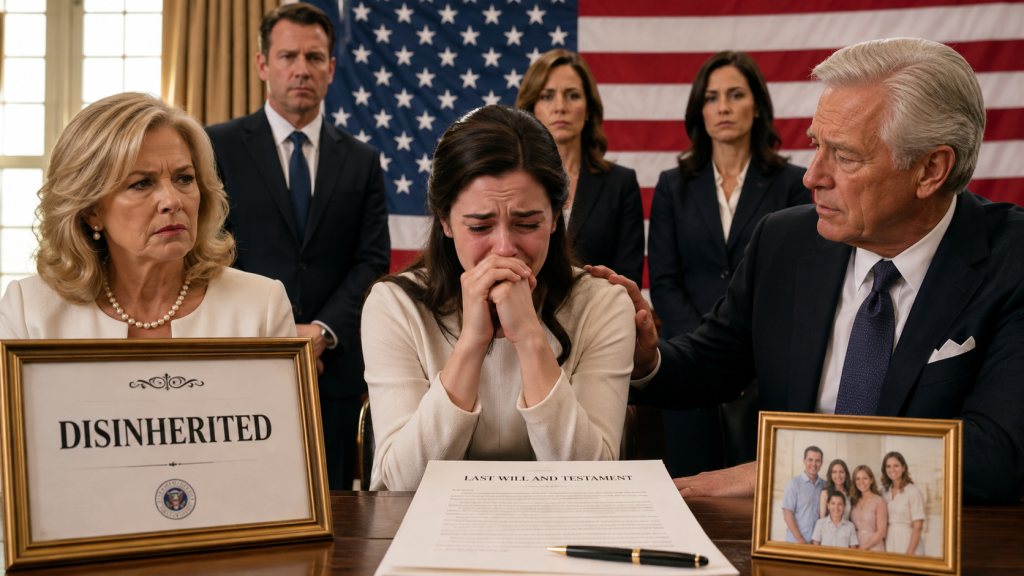
At 6:30 on a freezing Thursday morning, my sister called to tell me our father had passed away. There was only one problem. Dad was sitting three feet away from me at my kitchen table, wearing a navy flannel robe, drinking fresh coffee and stealing bacon from my plate like he had been doing every morning for the past two days.
I stared at the glowing name on my phone. Vanessa Cole. My older sister almost never called before noon. Vanessa treated mornings like some kind of personal attack, so seeing her name on my screen while the sky outside was still dark gray immediately made my stomach tighten.
I assumed there had been an emergency.
I had no idea she was about to invent one.

Dad reached across the table and stole another strip of bacon.
“Seriously?” I whispered.
He grinned, folded the bacon neatly in half and dipped one corner into the runny yolk on his plate.
His silver hair was still damp from the shower. Reading glasses rested low on his nose, and his old slippers were planted beneath the table.
He looked completely alive.
Annoyingly alive, considering that bacon had been mine.
Then he noticed my expression.
“What?” he whispered.
I raised one finger.
“Vanessa?” I answered.
For two long seconds, nobody spoke.
I could hear the low hum of a car engine through the phone and the rhythmic clicking of a turn signal.
Click.
Click.
Click.
Then Vanessa spoke.
“Natalie, Dad died last night.”
My hand froze around my coffee mug.
Behind me, the coffeemaker released a final hiss of steam.
Dad stopped chewing.
Slowly, I turned my head toward him.
He stared back at me with his eyebrows raised.
I looked at him.
Then at the phone.
Then back at him again.
If the situation hadn’t been so disturbing, I might have laughed.
Dad certainly looked surprised, but he didn’t look frightened.
After everything that had happened during the previous forty-eight hours, surprise was about the only emotion either of us had left.
Without saying anything, I pressed the speaker button and placed my phone beside the sugar bowl.
Dad leaned forward.
“When?” I asked.
“Sometime during the night,” Vanessa replied. “Harold found him.”
Dad’s expression changed immediately.
Harold Pike had been his closest friend for more than forty years.
They had gone fishing together every summer, attended football games together every fall and helped each other through marriages, illnesses and enough terrible decisions to fill a book.
More importantly, Harold had owned the town’s funeral home before retiring.
That detail made Vanessa’s story sound disturbingly believable.
Almost.
I kept my voice steady.
“What happened?”
Vanessa sighed.
Not cried.
Not sniffled.
Not even paused.
She sighed as though I had asked an inconvenient question while she was trying to get somewhere.
“Does it matter?” she said. “He’s gone.”
Across the table, Dad slowly lowered his fork.
His eyes hardened.
I knew that look.
Vanessa apparently didn’t.
She kept talking.
“Grant and I are handling everything. There’s really no reason for you to come to the house.”
Dad glanced at me.
“The house?” I repeated.
“Yes.”
“Why wouldn’t I come?”
Another pause.
Then Vanessa said, “Because the locks are being changed this morning.”
There was a brief silence.
Then I heard laughter in the background.
Grant.
My brother-in-law had one of those loud, breathy laughs that always sounded as if he’d just tricked someone and couldn’t believe he’d gotten away with it.
Dad’s jaw tightened.
I folded my arms.
“Why are the locks being changed?”
Another sigh.
Vanessa sounded almost bored now.
“Because Grant and I found Dad’s papers.”
Dad stopped moving completely.
“What papers?”
“The important ones.”
Dad’s eyes narrowed.
Vanessa continued.
“He left the house to us. The truck too. The accounts. Everything else.”
I looked directly at Dad.
He looked directly at me.
Neither of us spoke.
Then Vanessa delivered the part she had clearly been waiting to say.
“You were specifically excluded.”
Grant laughed again.
This time louder.
There was unmistakable satisfaction in it.
He said something to Vanessa that I couldn’t quite hear.
“What was that?” I asked.
There was some shuffling on their end.
Then Grant’s voice came much closer to the phone.
“I said you’re finally out of the family.”
Dad’s fingers tightened around his coffee mug.
Grant wasn’t finished.
“No more showing up every few months pretending you’re the devoted daughter.”
That sentence hit harder than I expected.
For years, Vanessa had loved telling people I was the daughter who “ran away.”
Apparently moving three states away for work counted as abandoning everyone.
It didn’t matter that I called Dad several times a week.
It didn’t matter that I paid for plane tickets whenever he needed me.
It didn’t matter that when he had cataract surgery two years earlier, I had taken ten days off work to stay with him.
And Vanessa certainly didn’t know why Dad had unexpectedly arrived at my house two days earlier carrying one suitcase, a locked metal document box and an expression I had never seen before.
I could have defended myself.
I didn’t.
Because there was something much more interesting happening across the table.
Dad slowly placed his coffee cup down.
Click.
The ceramic base touched the wooden tabletop so softly that Grant and Vanessa probably couldn’t hear it.
But I could.
And that tiny sound worried me more than if Dad had shouted.
My father wasn’t a man who exploded easily.
When he was angry, he became quiet.
Very quiet.
Vanessa kept talking, completely unaware.
“Look, Natalie, I’m calling because we’re trying to handle this like adults.”
Dad mouthed, “Adults?”
I nearly smiled.
“Grant already has someone coming to evaluate the truck,” she continued. “We’ve contacted the bank, and we’re going through Dad’s office today.”
Dad’s eyebrows rose.
His office.
That was interesting.
“And the house?” I asked.
“Obviously we’re keeping it.”
Grant called from the background, “Might renovate the kitchen!”
They both laughed.
Dad didn’t.
His face had become eerily calm.
Vanessa continued.
“There are probably some personal things of yours still in your old bedroom. I’ll box them up. Grant can leave them by the garage.”
“How thoughtful.”
Vanessa completely missed the sarcasm.
“I knew you’d understand.”
Dad looked at me and silently mouthed, “Understand?”
I bit the inside of my cheek.
Grant apparently grabbed the phone again.
“And Natalie?”
“Yes, Grant?”
“Don’t make this difficult.”
I stared through the kitchen window at the thin layer of frost covering my backyard.
“Difficult?”
“Don’t start challenging the will or demanding things that aren’t yours. Vanessa is Dad’s eldest daughter. She stayed close to home. She deserves this.”
Dad slowly leaned back in his chair.
Grant continued.
“You made your choice years ago.”
Vanessa murmured something approvingly.
Then Grant added the sentence that finally changed Dad’s expression.
“Your father obviously knew who really loved him.”
The kitchen became completely silent.
Dad’s face went still.
Not hurt.
Not angry.
Something colder.
I had seen that expression only twice in my life.
Once when a contractor tried to cheat my mother out of several thousand dollars.
The second time when someone had accused Dad’s best friend Harold of stealing money from a charity fundraiser.
Both people had eventually discovered the same thing.
My father could forgive arrogance.
He could forgive stupidity.
What he couldn’t forgive was dishonesty wrapped in self-righteousness.
I reached toward the phone.
For a second, I considered ending the call.
Dad stopped me.
He raised his hand.
Then he pointed at himself.
I hesitated.
He pointed again.
You want to talk?
Dad nodded.
On the speaker, Vanessa said impatiently, “Natalie? Are you still there?”
“Oh, I’m here.”
“Good. Then understand this clearly. Dad made his decision. Everything belongs to Grant and me now.”
Grant laughed.
“Finally.”
Dad stood.
He tightened the belt of his robe and walked around the table.
Vanessa continued talking.
“We’ve already started making arrangements. Grant thinks we should sell some of Dad’s tools because there’s no reason to keep all that junk.”
Dad stopped.
His tools.
The workshop behind Dad’s house had been his sanctuary for nearly thirty years.
Every shelf had been built by him.
Every wrench had a place.
There was even a small wooden stool he’d made for Vanessa when she was six because she used to sit beside him while he worked.
Apparently those memories had become “junk.”
“What about the funeral?” I asked.
“We’ll handle it.”
“You already planned it?”
“We’re working on it.”
“At six-thirty in the morning?”
Vanessa went quiet.
That was the first crack.
Small.
But noticeable.
I glanced at Dad.
He noticed it too.
“Vanessa,” I said carefully, “where exactly are you right now?”
“In the car.”
“I can hear that.”
“We’re heading to Dad’s.”
Dad folded his arms.
“Why?”
“To meet the locksmith.”
Of course.
“And Harold?”
“What about him?”
“You said Harold found Dad.”
“He did.”
“Where?”
Another pause.
“At the house.”
Dad’s eyes narrowed.
“At what time?”
Vanessa’s irritation returned.
“Natalie, why are you interrogating me?”
“I’m asking what happened to our father.”
“I already told you.”
“No. You told me he’s dead. You haven’t told me how.”
Grant muttered something.
Then Vanessa said, “He probably had a heart attack.”
“Probably?”
“That’s what Harold thinks.”
Dad’s lips pressed into a thin line.
I knew immediately that was another lie.
Harold had spent decades working around death. He would never casually diagnose a heart attack over the telephone.
But Vanessa didn’t know I knew that.
She also didn’t know Harold had called Dad the previous evening.
And she definitely didn’t know what they had discussed.
I looked toward the locked metal box sitting beneath the small table near my pantry.
Dad had brought it with him when he arrived.
Inside were documents Vanessa had apparently never seen.
Real documents.
Signed documents.
Documents that explained exactly why my father had suddenly left his own house.
Two nights earlier, Dad had called me at 9:17 p.m.
“Natalie,” he’d said, “I need you to come get me.”
There had been something in his voice that frightened me.
Not fear.
Disappointment.
I drove three hours through freezing rain and arrived shortly after midnight.
Dad was waiting outside with one suitcase and that metal box.
He refused to explain everything until we reached my house.
When he finally did, I understood why.
For six months, Dad had suspected Vanessa and Grant were trying to take control of his finances.
At first, he’d dismissed little things.
Vanessa asking questions about his bank accounts.
Grant wanting to know whether the house was paid off.
Documents appearing on Dad’s desk that he didn’t remember requesting.
Then, three days earlier, Dad discovered something that changed everything.
Someone had prepared paperwork claiming he was no longer capable of managing his own affairs.
And Vanessa’s name was attached to it.
Dad had called Harold.
Then his attorney.
Then me.
Now, less than forty-eight hours later, Vanessa was announcing his death.
Dad moved closer to the phone.
Grant was still talking.
“We’ll probably sell the truck before the weekend. There’s no point letting it sit around.”
Vanessa laughed.
“And maybe finally clear out that ridiculous workshop.”
Grant added, “First thing I’m doing is throwing away that ugly fishing chair.”
Dad’s favorite fishing chair.
I watched my father’s expression.
Then Grant said, “Honestly, it’s better this way. The old man was becoming difficult.”
Dad’s eyes changed.
I whispered, “Dad…”
He raised one hand.
No.
He was ready.
Vanessa spoke again.
“Natalie, I have to go. Just stay where you are and let us handle everything.”
Dad leaned toward the phone.
I could see something almost dangerous flickering behind his eyes.
Grant was still laughing when Dad calmly said, “Well, Vanessa… before you start renovating my kitchen, selling my truck and planning my funeral, there’s something you should probably know.”
Silence.
Absolute silence.
The turn signal on Vanessa’s car continued clicking.
Click.
Click.
Click.
Then Vanessa whispered, “Who is this?”
Dad looked at me.
For the first time that morning, he smiled.
Not warmly.
Not kindly.
It was the smile of a man who had just discovered exactly how far his own daughter was willing to go.
He leaned closer to the phone.
“It’s your dead father.”
Something crashed on Vanessa’s end.
Grant stopped laughing.
Dad picked up the final strip of bacon from my plate, took a bite and calmly added, “And since I’m apparently dead, I suppose this is as good a morning as any to tell you what I found in my office.”
Vanessa didn’t answer.
Dad’s smile disappeared.
“And believe me, sweetheart… the locks aren’t the only thing changing today.”
The Silence on the Other End
For several seconds, all I heard was the car engine.
Then Grant muttered something that sounded like a curse.
Vanessa finally found her voice.
“Dad?”
“Yes.”
“But… how?”
Dad glanced at me.
“How am I alive?”
“No. I mean—”
“You told Natalie I died.”
“I was given bad information.”
“By Harold?”
She hesitated.
Dad’s voice sharpened.
“You specifically said Harold found me.”
“I thought he had.”
“That is interesting.”
“Why?”
“Because Harold is in Wisconsin.”
Another silence.
I looked at Dad.
That part was new to me.
Dad continued.
“He drove up there yesterday afternoon to see his brother. Sent me a picture from the highway.”
Vanessa swallowed audibly.
“I must have misunderstood.”
Dad laughed once.
It wasn’t pleasant.
“You misunderstood whether I was dead?”
Grant’s voice suddenly came through.
“Can we stop playing games?”
Dad’s face changed.
“Games?”
“This whole thing.”
“What whole thing?”
“You disappearing. Taking documents. Ignoring calls. Dragging Natalie into it.”
Dad leaned closer to the phone.
“I left my own home because I discovered documents that appear to contain my forged signature.”
Grant went quiet.
Dad continued.
“And now you two are on your way to change the locks while telling my other daughter that I’m dead.”
Vanessa interrupted.
“We were worried.”
“Worried?”
“Yes.”
“About me?”
“Of course.”
Dad looked at me.
Neither of us believed her.
“Then why change the locks?”
She had no answer.
Dad spoke slowly.
“Turn the car around.”
“Dad—”
“Turn around.”
“We’re almost there.”
“Then you’ll save time.”
Grant said, “We have every right to go there.”
Dad’s eyes narrowed.
“No, you don’t.”
“Vanessa has been helping you with the house for years.”
“Helping does not make her the owner.”
“That’s not what I meant.”
“I know exactly what you meant.”
Vanessa’s voice changed.
Suddenly softer.
“Dad, please. Let’s just sit down and talk.”
“We will.”
“Good.”
“At Natalie’s house.”
“What?”
“Eleven o’clock.”
Grant objected immediately.
“We’re not driving three hours.”
Dad’s voice stayed calm.
“Then don’t.”
Vanessa said his name like a warning.
“Dad.”
“If you want to explain why you’re trying to take control of my property, you’ll be here at eleven.”
“What if we don’t?”
Dad looked at the locked box beneath my pantry table.
“Then my attorney proceeds without hearing your explanation.”
That did it.
Vanessa stopped arguing.
“We’ll come.”
Dad ended the call.
For a long moment, the kitchen stayed completely silent.
Then he looked at my empty plate.
“You should have made more bacon.”
I stared at him.
“Your daughter just announced your death and tried to inherit your house before breakfast.”
He nodded.
“Still hungry.”
Despite everything, I laughed.
It lasted about three seconds.
Then I looked at him more carefully.
His hands were shaking.
That frightened me more than anything Vanessa had said.
I covered his hand with mine.
“You okay?”
Dad stared at the table.
“No.”
It was the first honest answer either of us had spoken that morning.
What Dad Had Found
Two days earlier, when I picked Dad up, he had told me only part of the story.
Now he opened the metal box.
Inside were neatly organized folders.
Dad had always been like that.
He saved receipts.
Labeled tax records by year.
Kept appliance manuals long after the appliances stopped working.
The first folder held copies of bank statements.
He pushed one across the table.
“I found this in my desk.”
I looked at the highlighted transactions.
Cash withdrawals.
Restaurant charges.
A hotel.
A furniture store.
A series of purchases I didn’t recognize.
“What am I looking at?”
“My household account.”
Dad kept a separate checking account for groceries, utilities, medicine and maintenance.
Vanessa had access because she often picked things up for him.
“She used this?”
Dad nodded.
“How much?”
“Almost twelve thousand dollars over fourteen months.”
I stared at him.
“You’re sure?”
“I called the bank.”
He pointed to three withdrawals.
“Those weren’t mine.”
Another charge.
“Neither was that.”
I scanned the page.
One purchase was for nearly two thousand dollars at a furniture store.
“Dad…”
“I know.”
He opened another folder.
Inside was a document titled DURABLE POWER OF ATTORNEY.
Vanessa’s name appeared as agent.
Dad’s name appeared at the bottom.
Or rather, something pretending to be Dad’s name.
I had seen my father’s signature my entire life.
This wasn’t it.
“Did you sign this?”
“No.”
My stomach turned.
“Does Vanessa know you found it?”
“Not unless Grant told her.”
“Where did it come from?”
“My desk printer tray.”
“You think they printed it at your house?”
“Maybe.”
Dad pulled out another stack.
A property valuation.
An estimate for his truck.
A list of tools and equipment.
Copies of investment account statements.
Then a handwritten sheet.
At the top, Vanessa had written:
ESTATE VALUE.
The bottom line was underlined twice.
$1,420,000.
Beside it, another note:
Once POA established, move quickly.
I looked at Dad.
“You recognize the handwriting?”
He gave me a sad smile.
“She’s been giving me birthday cards for forty-six years.”
That answer hurt.
There are moments when betrayal doesn’t look dramatic.
It looks like an old man sitting at his daughter’s kitchen table recognizing his other daughter’s handwriting on a list of everything she expects to own after he’s gone.
Dad closed the folder.
“I called Elaine yesterday.”
Elaine Mercer had been Dad’s attorney for more than fifteen years.
“What did she say?”
“That we document everything.”
“And?”
“She had me contact the bank.”
He took a breath.
“And I changed my will.”
I stared at him.
“When?”
“Yesterday afternoon.”
I had not known that.
“What did you change?”
Dad looked toward the window.
“Enough.”
The Attorney Arrives
At 9:40 that morning, Elaine arrived at my house.
She was sixty-one, silver-haired, sharp-eyed and dressed in a charcoal coat that looked expensive enough to have never encountered a snow shovel.
She walked inside carrying a leather briefcase.
Dad poured her coffee.
She didn’t touch it.
“Tell me exactly what happened this morning.”
I played the recording.
Dad had insisted I save the entire call.
Elaine listened without interrupting.
When Grant said, Your father obviously knew who really loved him, her mouth tightened.
When Dad said, It’s your dead father, she looked at him.
“I assume that part was emotionally satisfying.”
Dad shrugged.
“A little.”
Elaine returned her attention to the recording.
When it ended, she folded her hands.
“This is useful.”
“Useful how?” I asked.
“It establishes intent and urgency. They believed they were entitled to enter the property and access assets immediately.”
Dad frowned.
“Can they get into my accounts?”
“Not now.”
Elaine opened her briefcase.
“I spoke to your bank this morning.”
Dad leaned forward.
“And?”
“There was an attempted online login at 4:18 a.m.”
I felt my stomach drop.
“Today?”
“Yes.”
Dad became very still.
“Successful?”
“No. The bank flagged it.”
“From Vanessa?”
“They won’t attribute the device without an investigation.”
Elaine continued.
“I also contacted the county clerk’s office.”
Dad’s face changed.
“Why?”
“Because someone made an inquiry yesterday regarding transfer of title for your property.”
The room went quiet.
“To whom?” I asked.
Elaine looked at Dad.
“Vanessa.”
He stared at her.
I had expected anger.
Instead, his shoulders dropped.
For the first time, he looked old.
Not weak.
Old.
Tired.
Betrayed.
“I gave her that house key when your mother died,” he said softly.
I knew the key he meant.
Vanessa had lived ten minutes away.
Dad had told her she could come by anytime.
She brought groceries.
Checked on the furnace.
Watered plants when Dad traveled.
For years, Dad had considered her access an expression of trust.
Now every one of those memories had been contaminated.
Elaine placed another document on the table.
“We also need to discuss the power of attorney.”
Dad nodded.
She tapped the signature.
“If this was submitted anywhere, that’s serious.”
“I didn’t sign it.”
“I believe you.”
“Can we prove it?”
“Probably.”
She looked toward the driveway.
“And if Vanessa and Grant arrive at eleven, let them talk.”
Dad nodded.
“Don’t accuse more than necessary. Don’t threaten. Don’t promise anything.”
He smiled faintly.
“You’re taking away all my fun.”
Elaine didn’t smile.
“Arthur, I’m serious.”
Dad’s name was Arthur Bennett.
Most people called him Art.
Only Elaine called him Arthur when she wanted him to behave.
He nodded.
“I know.”
Then headlights appeared through my front window.
10:57.
Vanessa and Grant were early.
The Confrontation
The knock came hard.
Three sharp blows against my front door.
I opened it.
Vanessa didn’t wait for an invitation.
She walked past me wearing a cream-colored winter coat, boots and large sunglasses.
Grant followed in a dark jacket.
He looked angry.
Not embarrassed.
Not ashamed.
Angry.
That told me everything I needed to know about him.
Vanessa stopped when she saw Elaine.
“What is she doing here?”
Elaine looked up from the table.
“Good morning, Vanessa.”
Grant muttered, “Unbelievable.”
Dad stood.
“What part?”
Grant stared at him.
“This.”
He waved toward Elaine.
“You bringing an attorney into a family issue.”
Dad folded his arms.
“You tried to access my bank account.”
Grant froze.
Vanessa turned toward him.
“Don’t answer.”
That was almost funny.
Elaine opened her briefcase.
Grant recovered quickly.
“Nobody accessed anything.”
Elaine spoke.
“There was an attempted login at 4:18 this morning.”
Vanessa’s face tightened.
“That could have been anyone.”
Dad looked at her.
“Why did you tell Natalie I was dead?”
“I already explained.”
“No, you didn’t.”
“I received incorrect information.”
“From who?”
She looked away.
Dad waited.
Finally she said, “I don’t remember.”
“Convenient.”
Grant stepped forward.
“This isn’t helping.”
Dad’s eyes moved to him.
“You’re right.”
He walked toward the pantry, picked up the metal document box and placed it on the table.
Vanessa’s face went pale.
It happened instantly.
That was the moment I knew she understood exactly what was inside.
Dad unlocked it.
The forged power of attorney came first.
He slid it toward her.
“Recognize this?”
Vanessa barely looked.
“No.”
Dad added the bank statements.
Then the property valuation.
Then the handwritten estate list.
Grant’s expression shifted when he saw that one.
Dad noticed.
Elaine noticed.
So did I.
“Your handwriting?” Dad asked.
Vanessa shook her head.
“No.”
“You’re lying.”
“Don’t call me a liar.”
Dad’s voice remained level.
“Then explain why a list of my assets is written in your handwriting.”
“I don’t know.”
“Explain why my signature appears on paperwork I never signed.”
“I didn’t do that.”
“Who did?”
Vanessa looked at Grant.
Only for a second.
But she did.
Grant’s jaw tightened.
Dad saw it.
He pulled out one final sheet.
“What’s this?”
Vanessa looked down.
It was a printed draft of a real estate listing.
Dad’s address.
His square footage.
Estimated asking price.
Even photographs of the exterior.
Vanessa whispered, “Grant…”
That was the first time she sounded genuinely afraid.
Dad’s eyes moved toward Grant.
“You were preparing to sell my house.”
Grant threw his hands up.
“It was just research.”
“Research?”
“Vanessa asked what the place might be worth.”
Dad looked at him.
“Why?”
“For planning.”
“What planning?”
Grant didn’t answer.
“Estate planning?” Dad asked.
Silence.
Dad gave a bitter laugh.
“Interesting approach. Usually people wait until the owner is dead before listing the house.”
Nobody spoke.
“And apparently,” he continued, “you decided not to wait.”
Vanessa’s eyes filled with tears.
“Dad, I was trying to protect you.”
I almost said something.
Dad raised one hand.
He wanted to hear it.
“Protect me from what?”
“You’re seventy-four.”
“Yes.”
“You live alone.”
“Yes.”
“You forget things.”
“I forgot where I left my glasses last week. They were on my head. Arrest me.”
Vanessa’s mouth tightened.
“It’s not funny.”
“No. It isn’t.”
Her voice rose.
“You don’t understand how much we do for you.”
“There it is.”
She stopped.
Dad leaned forward.
“You keep saying we.”
“Grant and I.”
“No. You mean you.”
Vanessa blinked.
Dad continued.
“You believe every grocery trip, every furnace check, every ride to an appointment was a deposit.”
“What?”
“A deposit into an account you expected to collect from after I died.”
Her face twisted.
“That is cruel.”
“Is it wrong?”
She did not answer.
Dad’s voice softened.
“That matters more.”
What Vanessa Really Believed
Vanessa sat down.
For the first time, she looked less like the woman who had called to announce Dad’s death and more like the sister I remembered.
Tired.
Defensive.
Jealous.
“You always preferred Natalie.”
Dad closed his eyes.
“No.”
“Yes.”
I felt myself tense.
Vanessa turned toward me.
“She leaves. Builds her career. Comes home with gifts. Everyone praises her.”
I stared.
“What are you talking about?”
“You got to be the successful one.”
“I moved for work.”
“You left Dad with me.”
Dad interrupted.
“I told her to go.”
Vanessa looked at him.
“What?”
“I told Natalie to take the job.”
She stared.
Dad continued.
“She was twenty-eight. She had an opportunity. I wasn’t going to let her turn it down because she felt responsible for me.”
Vanessa shook her head.
“But she left.”
“And called me constantly.”
“That isn’t the same as being here.”
“No,” Dad said. “It’s different.”
Vanessa looked almost relieved.
Then he continued.
“Different does not mean less.”
The relief disappeared.
Dad sat across from her.
“Do you remember when your basement flooded?”
She frowned.
“What does that have to do with anything?”
“Who came?”
“You.”
“Who paid for repairs?”
“You helped.”
“Eleven thousand dollars.”
Vanessa looked down.
“When Grant lost his job?”
She said nothing.
“Who covered five mortgage payments?”
Silence.
“When you wanted to buy your house?”
“Dad—”
“Thirty thousand dollars.”
“You said that was a gift.”
“It was.”
“Then why bring it up?”
“Because you’re pretending I never appreciated you.”
Vanessa’s eyes filled.
Dad continued.
“You were never invisible to me.”
She wiped her cheek.
“I felt invisible.”
There it was.
Not justification.
But truth.
Dad’s expression softened.
“So you stole from me?”
Vanessa’s eyes snapped up.
“I borrowed.”
Dad pushed the bank records toward her.
“Twelve thousand dollars.”
“I was going to pay it back.”
“When?”
“I don’t know.”
“You never told me.”
“I knew you’d judge me.”
“I would have helped you.”
She laughed bitterly.
“With another lecture.”
Dad sat back.
“So because I might have asked questions, taking it secretly was easier.”
Grant stepped in.
“She had expenses.”
Elaine looked at him.
“Unauthorized use of an account is not transformed into permission because someone had expenses.”
Grant glared at her.
“Stay out of this.”
Elaine’s expression did not change.
“I am literally here because your father-in-law asked me to be involved.”
Dad looked at Vanessa.
“What happened?”
She wiped her eyes.
“What do you mean?”
“You weren’t always like this.”
Vanessa stared at her hands.
For several seconds, nobody spoke.
Then she whispered, “We’re in trouble.”
Grant looked at her sharply.
“Vanessa.”
She ignored him.
“Financial trouble.”
Dad’s face changed.
“How much?”
She hesitated.
Grant said, “Don’t.”
Dad’s voice hardened.
“How much?”
Vanessa looked at him.
“Almost two hundred thousand.”
I stared.
Dad went completely still.
“Debt?”
She nodded.
“Business loans. Credit cards. Taxes.”
Dad’s eyes moved to Grant.
“You told me the business was recovering.”
Grant crossed his arms.
“It was.”
“No. It wasn’t.”
“We were handling it.”
Dad looked at the forged document.
“This is handling it?”
Grant didn’t answer.
Vanessa broke.
“He said once you got older, it made sense to move things early.”
Dad looked at her.
“Move what?”
“The house. Some accounts.”
“Into your name?”
“So things would be easier later.”
Dad laughed without humor.
“You mean after I died.”
Vanessa began crying.
“I was scared.”
Dad’s voice softened.
“So was I.”
That shut her up.
The Fake Death Explained
I leaned forward.
“There is still one thing I don’t understand.”
Vanessa looked at me.
“Why tell me Dad was dead?”
She looked away.
“Vanessa.”
Her voice dropped.
“Because we knew he’d left.”
Dad watched her carefully.
“When?”
“Wednesday morning.”
“How?”
“We came by.”
Dad’s expression changed.
“You entered the house?”
“Yes.”
“You had no permission.”
“I had a key.”
“That isn’t the same thing.”
Vanessa swallowed.
“We saw the suitcase was gone. The metal box was gone.”
Grant said, “We thought he’d taken the documents.”
Dad stared.
“I had.”
Vanessa nodded.
“We panicked.”
“And decided I died?” Dad asked.
She looked toward me.
“We thought Natalie knew where you were.”
I felt something cold settle in my chest.
“So you told me he died to make me reveal it.”
Vanessa said nothing.
“Answer me.”
“Yes.”
Dad closed his eyes.
That hurt him.
More than the money.
More than the forged signature.
More than the house.
Because the lie had required using his death as bait.
Vanessa continued.
“Grant thought if I sounded emotional, you’d start talking.”
Grant frowned.
“Don’t put all of that on me.”
She spun toward him.
“It was your idea.”
“No. I said we needed to find out where he was.”
“You told me to say Harold found him.”
Grant’s face went red.
Dad looked between them.
The marriage they had presented as united suddenly cracked open.
Vanessa pointed at him.
“You said Natalie would panic and tell us everything.”
Grant snapped.
“And you agreed.”
“Yes, because you kept saying we were going to lose everything!”
Dad’s voice became quiet.
“No.”
Both turned toward him.
“You were never going to lose everything.”
Vanessa stared.
Dad continued.
“You were going to lose access to things that were never yours.”
The Will Changes
Dad looked toward Elaine.
She opened another folder.
Vanessa’s face tightened.
Dad spoke.
“I changed my will yesterday.”
The room froze.
Grant’s mouth opened first.
“You can’t do that.”
Elaine looked almost amused.
“He can.”
Vanessa stared at Dad.
“You changed it?”
“Yes.”
“Because of Grant?”
“No.”
“Because of me?”
Dad took a breath.
“Because of what I discovered.”
Vanessa stood.
“What does that mean?”
Dad remained seated.
“It means you will not inherit my house.”
She stared.
“Dad.”
“You will not inherit my investment accounts.”
Her mouth trembled.
“You will not inherit the truck, the workshop, or my savings.”
Vanessa began crying again.
Dad continued.
“Your children are still included.”
She looked up.
“What?”
“I’m not punishing my grandchildren for your choices.”
Grant laughed bitterly.
“So Natalie gets everything.”
Dad turned toward him.
“No.”
That stopped him.
Dad looked at me.
“Natalie receives a direct inheritance.”
I hadn’t known the details.
“But most of the estate goes into trusts for the grandchildren.”
Vanessa stared.
“Mine too?”
“Yes.”
Her shoulders dropped slightly.
Then Dad added, “You will not control those trusts.”
The relief disappeared.
Elaine said, “Independent trustees will manage them.”
Vanessa sat down.
Dad looked at her.
“This isn’t revenge.”
“It feels like it.”
“Consequences often do.”
She covered her face.
Dad’s own eyes filled.
Watching him broke something in me.
People think disinheritance scenes should feel triumphant when someone has behaved badly.
This didn’t.
It felt like grief.
Dad wasn’t celebrating.
He was accepting that his daughter had forced him to protect himself from her.
That is a very different thing.
Grant Makes the Worst Possible Decision
The meeting ended shortly after noon.
Dad told Vanessa he needed space.
Elaine told them not to enter his property or attempt access to any financial account.
Grant left angry.
Vanessa left crying.
I thought that might be the end of the immediate crisis.
I was wrong.
At 9:12 the next morning, Dad’s phone rang.
He answered.
His face changed within seconds.
“What?”
I looked up from the couch.
Dad stood.
“Yes. I’m Arthur Bennett.”
Pause.
“No, I did not authorize that.”
Another pause.
His hand tightened around the phone.
“When?”
He listened.
Then he closed his eyes.
“Thank you. Please preserve everything.”
He hung up.
“What happened?”
Dad looked at me.
“Grant went to the bank.”
My stomach dropped.
“With the power of attorney?”
He nodded.
“What did he try to do?”
“Transfer twenty-five thousand dollars.”
I stood.
“Yesterday?”
“This morning.”
I couldn’t believe it.
After everything that had happened at my kitchen table, Grant had still tried.
Dad called Elaine immediately.
This time, there was no hesitation.
She told him to file a formal police report.
He resisted.
For almost an hour.
Not because of Grant.
Because of Vanessa.
“If I do this, she gets dragged into it.”
Elaine’s voice came through the speaker.
“Arthur, she is already involved.”
“I know.”
“You are not causing that.”
Dad rubbed his forehead.
“She is my daughter.”
Elaine was silent for a moment.
Then she said something I never forgot.
“She can be your daughter and still be accountable.”
Dad looked at me.
I nodded.
He made the call.
The Investigation
Things moved faster after that.
The bank preserved surveillance footage.
Grant was clearly visible presenting the power-of-attorney document.
The document carried Dad’s forged signature.
Investigators obtained digital records connected to previous attempts to access Dad’s online accounts.
They also reviewed emails.
That was where things became worse for Vanessa.
Grant and Vanessa had exchanged messages for months.
Some were about debt.
Some were about Dad.
One message from Grant read:
If we get POA, the bank can’t keep blocking us.
Vanessa replied:
He’ll fight it.
Grant:
Not if the evaluation says he can’t manage things.
Another message:
Once the bank accepts it, we move fast.
Then investigators found messages from the night before the fake death call.
Grant:
He’s probably at Natalie’s.
Vanessa:
She won’t tell me.
Grant:
Make her panic.
Vanessa:
How?
A few minutes later:
Vanessa:
I have an idea.
That message destroyed the last argument that the fake death announcement had been a misunderstanding.
It had been deliberate.
Dad read the transcript in Elaine’s office.
His face did not change.
But afterward, he sat in his truck for nearly twenty minutes before starting the engine.
I sat beside him.
Finally he said, “I keep remembering her at six.”
I knew exactly what he meant.
The wooden stool.
The workshop.
Vanessa sitting beside him while he repaired things.
“People change,” I said.
Dad stared through the windshield.
“Sometimes they become more of what was always there.”
I didn’t know how to answer that.
Vanessa Calls Me
For the next week, Vanessa called constantly.
I ignored the first eleven calls.
On the twelfth, I answered.
“What?”
She was crying.
“Please don’t hang up.”
“What do you want?”
“I need you to talk to Dad.”
“No.”
“Natalie, please.”
“You told me he was dead.”
“I know.”
“You laughed while Grant talked about selling his truck.”
“I know.”
“You planned to take control of his finances.”
“I didn’t understand how far Grant was going.”
I laughed.
“You replied to the messages.”
Silence.
“You knew.”
“I was scared.”
“So was Dad.”
She cried harder.
“I’ve lost everything.”
That sentence made me angry.
“You haven’t lost everything.”
“It feels like it.”
“Dad is alive.”
She stopped.
“You still have your children.”
Silence.
“You still have a job.”
Nothing.
“You still have a chance to fix who you’ve become.”
Vanessa whispered, “You sound like him.”
“Good.”
She was quiet for a long time.
Then she said, “Grant says you’re doing this because you want the inheritance.”
That almost made me laugh.
“Of course he does.”
“You don’t?”
“No.”
“You expect me to believe that?”
I looked out my kitchen window.
“Vanessa, I make my own money.”
“That doesn’t mean—”
“I would trade every dollar Dad owns for him to never have found those documents.”
She went silent.
I continued.
“The fact that you still think this is about winning tells me you haven’t understood anything.”
Then I hung up.
The Marriage Falls Apart
Grant’s position became increasingly difficult.
The bank had footage.
The signature expert concluded the power-of-attorney signature was inconsistent with Dad’s known signatures.
Emails showed planning.
The attempted transfer was documented.
Grant eventually claimed Vanessa had directed him.
Vanessa claimed Grant had pressured her.
Their united front disappeared.
Within three months, they separated.
Dad took no pleasure in it.
When I told him, he stared at the floor.
“I never liked him.”
“I know.”
“But I didn’t want this.”
“I know.”
Vanessa moved into a small apartment.
She returned to full-time work.
She sold jewelry.
Her expensive SUV disappeared.
She entered a repayment agreement for the money taken from Dad’s household account.
Grant faced more serious consequences connected with the forged documents and attempted bank transfer.
There were hearings.
Lawyers.
Restitution.
Fines.
Probation conditions.
Dad attended only what was necessary.
He refused to turn the case into a public spectacle.
People in town heard rumors.
Some asked questions.
Dad always gave the same answer.
“It’s a private family matter being handled properly.”
That frustrated Vanessa at first.
Later, she told me it was one of the things that made her feel most ashamed.
“He could have humiliated me,” she said.
“He didn’t need to.”
“I know.”
Going Home
Three weeks after the original call, Dad returned to his house.
The locks had been changed.
This time, by his order.
Vanessa’s key no longer worked.
Grant received written notice not to enter the property.
Dad installed cameras.
He hated them.
Called them “those ugly little eyeballs.”
But he kept them.
The first afternoon back, I walked with him into the workshop.
Nothing had changed.
The old fishing chair sat in the corner.
Dad ran one hand across it.
“Grant really hated this thing.”
“It is ugly.”
Dad looked at me.
I smiled.
He laughed.
Then he became quiet.
On a shelf sat the small wooden stool he’d made Vanessa nearly forty years earlier.
The paint was chipped.
Her name had been carved into one side.
VANESSA.
Dad picked it up.
For a moment, I thought he might throw it away.
Instead, he placed it back.
“You keeping it?”
He nodded.
“Why?”
He looked at me.
“Because what she did doesn’t erase who she was.”
That was Dad.
Even hurt, he refused to rewrite the past just to make the present easier.
Six Months Later
Vanessa came to Dad’s house alone.
She did not use the old key.
She knocked.
That mattered.
Dad called me that evening.
“She came by.”
I sat upright.
“What happened?”
“We talked.”
“How long?”
“About an hour.”
“What did she say?”
Dad paused.
“She apologized.”
“Did you believe her?”
“I believe she’s sorry.”
I smiled sadly.
“That’s not the same thing.”
“No.”
“Are you going to let her back into your life?”
“Slowly.”
That became their pattern.
Slowly.
Vanessa called.
Sometimes Dad answered.
Sometimes he let it ring.
She sent birthday cards.
He kept them.
She stopped asking about money.
Stopped asking about the house.
Stopped asking about the will.
That mattered more than any apology.
A year later, Dad invited her for Thanksgiving dessert.
Grant was gone by then.
Their divorce had become final.
Vanessa arrived alone.
She stood awkwardly in Dad’s doorway holding an apple pie.
Dad stared at it.
“You made this?”
“Yes.”
“You used your mother’s recipe?”
She nodded.
He took the pie.
“Come in.”
That was all.
No dramatic embrace.
No instant forgiveness.
Healing rarely looks like television.
Sometimes it looks like being allowed through the door.
Dad’s Seventy-Sixth Birthday
Two years after the fake death call, we gathered for Dad’s seventy-sixth birthday.
Harold came.
Vanessa came.
Her two children came.
I drove three states with my husband.
Dad insisted on grilling even though it was too cold.
Harold brought a fishing-themed cake with blue frosting.
Dad complained it looked ridiculous.
Then ate two slices.
After dinner, I found him sitting on the porch.
I joined him.
For a few minutes, we watched Vanessa’s children playing in the yard.
Vanessa stood near the fence talking to Harold.
“Do you regret it?” I asked.
Dad knew exactly what I meant.
“The will?”
“Everything.”
He thought about it.
“I regret that it became necessary.”
“But not doing it?”
“No.”
He looked across the yard.
“For years, I thought leaving money to your children was the final proof that you loved them.”
I waited.
He smiled faintly.
“Turns out sometimes love looks like saying no.”
Vanessa glanced toward us.
Dad raised one hand.
She waved back.
Then he said, “Justice isn’t always about making someone suffer.”
“What is it?”
“Making sure they can’t keep hurting people.”
I never forgot that.
Eight Years Later
Dad lived another eight years.
He remained independent almost the entire time.
He still drove.
Still argued about football.
Still called Netflix “the movie channel.”
And every time he visited me, he stole bacon from my plate.
Vanessa became part of his life again.
Not financially.
Never financially.
She never regained access to his accounts.
She never became executor.
She never controlled the trusts.
Dad never changed those boundaries.
But she came to birthdays.
She called on Sundays.
She drove him to appointments sometimes.
She repaired things without expecting payment.
Eventually, something in her changed.
Or maybe something finally stopped controlling her.
The resentment faded.
The competition disappeared.
One evening, years after everything happened, Vanessa and I were washing dishes at Dad’s house.
She looked at me.
“I hated you.”
I stopped.
“I know.”
“No. I really hated you.”
“That’s better.”
She laughed.
Then her eyes filled.
“I thought every time Dad praised you, it meant there was less love left for me.”
I put down the dish towel.
“Vanessa…”
“I know how stupid that sounds.”
“It doesn’t sound stupid.”
She looked surprised.
“It sounds sad.”
She nodded.
“It was.”
Then she said the thing I’d waited years to hear.
“I was wrong.”
Not about Grant.
Not about the documents.
Not about the money.
About us.
That mattered.
The Second Morning Call
Dad died at eighty-four.
This time, Vanessa called me early.
I saw her name on my phone and felt something inside me stop.
For one impossible second, I was back in that kitchen years earlier.
The navy robe.
The coffee.
The bacon.
The clicking turn signal.
I answered.
Vanessa was crying.
Real crying.
“Natalie…”
I sat on the edge of my bed.
“What happened?”
“Dad’s gone.”
This time, I didn’t look across the room expecting to see him.
I knew.
“When?”
“About an hour ago.”
“Were you there?”
“Yes.”
Her voice broke.
“I was holding his hand.”
I closed my eyes.
That mattered more than I expected.
“Was he afraid?”
“No.”
“Was he in pain?”
“No.”
She started crying harder.
“He told Harold we were making too much noise.”
I laughed through tears.
That sounded exactly like Dad.
The Real Will
Several weeks later, Elaine gathered us in her office.
There were no surprises.
Dad had never changed the major provisions of the will.
The house went into trust for the grandchildren.
His investments were distributed according to instructions.
I received a direct inheritance.
Vanessa received no money directly.
But Dad had left her several personal things.
The wooden stool.
Mom’s recipe box.
His old fishing photograph of Vanessa when she was nine.
And one sealed envelope.
Vanessa opened it.
Her hands shook.
She read silently.
Then she started crying.
Not loudly.
Quietly.
She handed me the letter.
I hesitated.
“You sure?”
She nodded.
I read.
Vanessa,
If you are reading this, then I am truly gone this time.
I hope you understand why I made the decisions I made.
I did not remove you from my estate because I stopped loving you.
I removed you because love does not require blindness.
What happened hurt me more deeply than I ever told you.
But the years afterward gave me something I thought I had lost.
My daughter.
Not the daughter who managed my accounts.
Not the daughter who expected my house.
Not the daughter who kept score.
Just you.
That was enough.
You asked me once whether Natalie had won.
There was never a contest.
There were only two daughters I loved because you were two different people.
My greatest regret is that you spent so many years believing love had to be measured.
It doesn’t.
If you remember anything from me, remember this:
What you own is never worth more than who you become trying to get it.
I forgive you.
Keep becoming someone you can forgive too.
Dad.
I finished reading and lowered the letter.
Vanessa pressed both hands over her mouth.
“He knew,” she whispered.
“Knew what?”
“That I still wondered if you won.”
I looked at her.
“And do you?”
She shook her head.
“No.”
For the first time in my life, I believed her completely.
What Dad Really Left Us
People sometimes ask what I remember most about that strange Thursday morning.
They expect me to say the fake death announcement.
Or Grant’s laughter.
Or the forged documents.
Or Dad speaking into the phone and saying, “It’s your dead father.”
But that isn’t the memory that stays with me.
I remember the bacon.
Dad sitting in my kitchen in that ridiculous navy robe, stealing breakfast from my plate while Vanessa told me he was dead.
At the time, it felt absurd.
Years later, it became precious.
Because that morning was when Dad finally understood something he should have understood years earlier.
Love and access are not the same thing.
Forgiveness and trust are not the same thing.
Family and entitlement are not the same thing.
He loved Vanessa.
He eventually forgave Vanessa.
But he never again gave her control over the things she had once tried to take.
And strangely, those boundaries did more to save their relationship than unlimited generosity ever had.
Vanessa lost the inheritance she expected.
Grant faced the consequences of fraud.
The money was protected.
The grandchildren were protected.
Dad kept his home.
But the greatest consequence wasn’t financial.
It was that Vanessa finally had to decide who she wanted to be when there was nothing left to gain.
No house.
No bank account.
No truck.
No workshop.
No promised fortune.
Just an old father who still loved her enough to answer the phone.
Years later, she told me that was when she finally understood him.
Dad’s money had made her feel secure.
Losing access to it forced her to become responsible for herself.
And eventually, she became the daughter Dad had missed.
Not because he rewarded her.
Because he stopped rewarding the behavior that was destroying her.
The morning she called and told me Dad was dead, she thought she was claiming an inheritance.
Instead, she lost it.
But over time, she regained something worth far more.
Her father.
And maybe that was the real inheritance Dad had been trying to leave us all along.
Not property.
Not money.
Not a house.
A lesson.
You can love someone deeply and still say no.
You can forgive someone without pretending they never hurt you.
You can protect yourself without hating the person you’re protecting yourself from.
And sometimes the hardest boundary you set with family becomes the very thing that gives the relationship a chance to survive.
Dad died with both daughters in his life.
Vanessa never got the house.
She never got the accounts.
She never got the inheritance she once believed she deserved.
But when she held his hand during his final hour, I don’t think any of that mattered anymore.
And when I think back to that freezing Thursday morning, I can still hear the coffeemaker hissing.
I can still see Dad’s silver hair.
I can still see his navy robe.
I can still hear Grant laughing through the phone.
And I can still see my father’s face as he leaned toward the speaker.
“It’s your dead father.”
It remains the strangest sentence I’ve ever heard him say.
But in a way, it was also the moment he began taking his life back.
THE END! THANKS FOR READING!